
Despot Stefan Lazarević
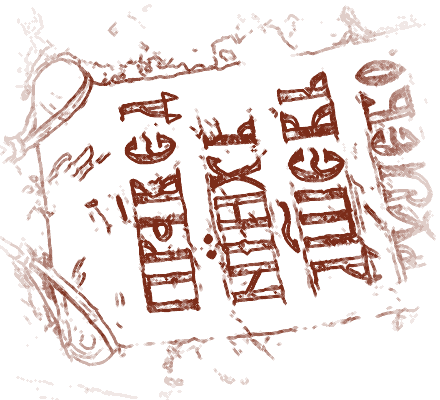
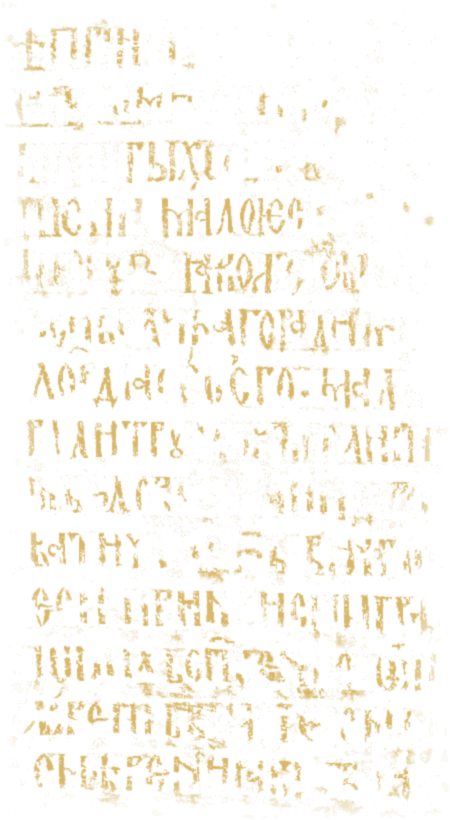
The Charter of Despot Stefan to Mileševa Monastery
Page 1 of 6
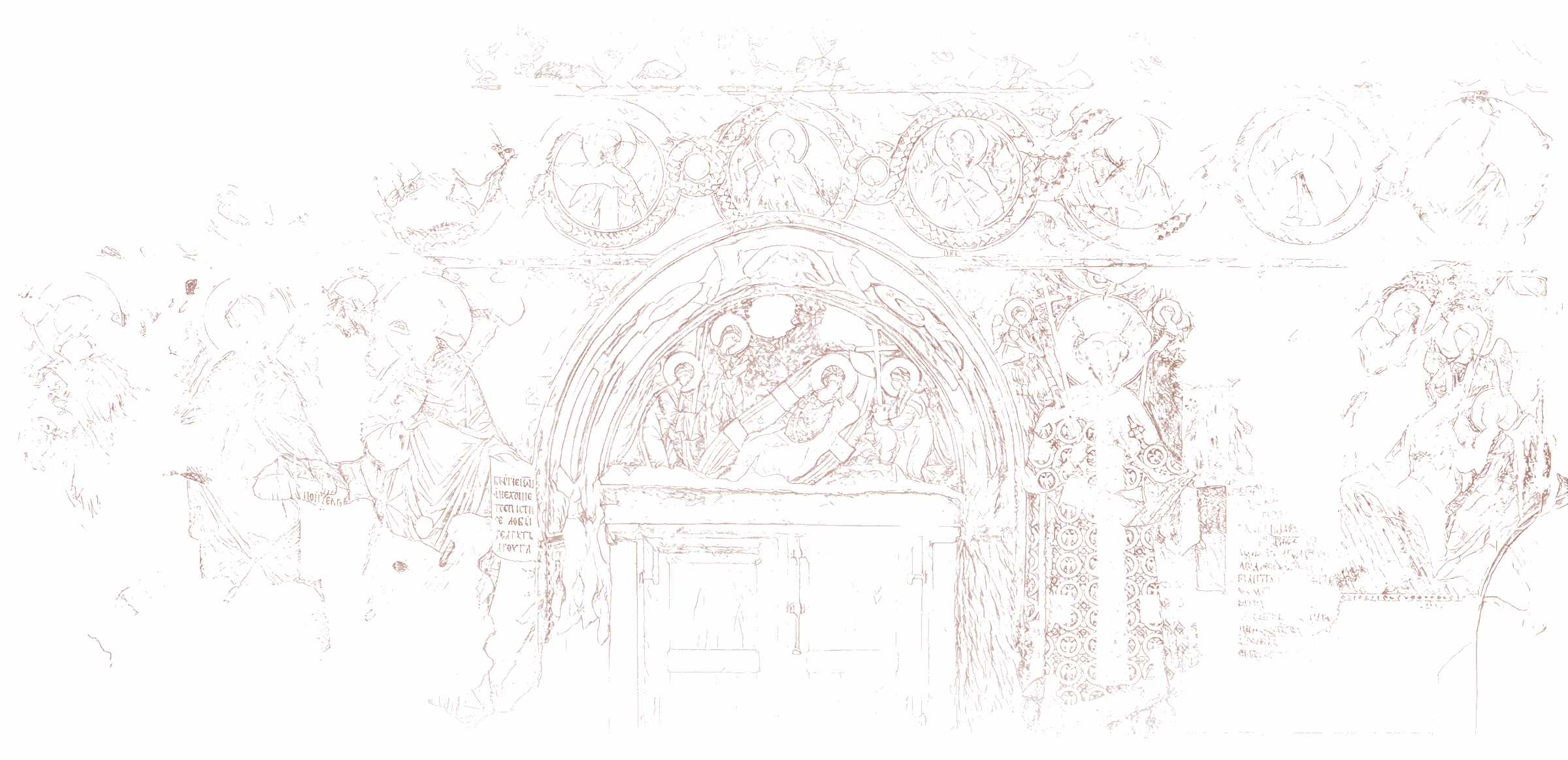


In the turbulent years of his reign, in a time of uncertainty but also of spiritual transformation, Despot Stefan Lazarević found strength in his faith in Christ, and support in the heavenly patronage of Saint Simeon and Saint Sava. They were his intercessors before the Lord, his protectors in battle, his guardians on sea and on land, and once, according to his own testimony, they even brought his soul back from the very gates of death. As an expression of the deepest gratitude, the Despot decided to grant Mileševa Monastery five villages in Moravica, a region near present-day Požega.
Mileševa, as the monastery in which the relics of Saint Sava rested, was for centuries one of the centers of Serbian spirituality. Despot Stefan, aware of the importance of this monastery, confirmed the Mileševa estate by this charter, granting the monastery the villages of Guglje, Hrasno Polje, Šemgonj and Rupeljevo. He freed these villages from the military levy of the unča for two years, and from all other obligations to the ruler for five years; the ruler redirects and grants to the monastery the obligations and resources that by custom belonged to the state authority. Although times were hard, the Despot constantly cared for the needs of the Church, especially for monasteries as centers of spiritual and cultural life, and not only in the regions he governed but elsewhere as well - as is witnessed by the charter to Mileševa Monastery, which at that time lay in the lands of the Serbian magnate Sandalj Hranić Kosača (1370–1435).
The charter is not precisely dated, but it is believed to have been issued between 1414 and 1415, at a moment when circumstances in the Serbian Despotate had somewhat stabilized and the country had entered a calmer phase after the turbulent wars and political upheavals that marked the period from 1402 to 1413. This dating places the charter in a period of the flowering of Serbian culture, and it illustrates Despot Stefan's care for monastic communities and monasteries as key strongholds of Serbian spirituality and culture.
The Mileševa charter of Despot Stefan Lazarević, his testament of gratitude to this monastery in which the relics of Saint Sava were kept, written on parchment, has been preserved in the original. The charter was kept in the treasury of Mileševa Monastery as the crowning proof of the monastery's right to the granted villages - it was one of the more important documents in the monastic archive. But the fate of Mileševa Monastery was closely bound up with the fate of the Serbian lands. In the times of the Turkish