


Official website of Manasija MonasteryGuardian of the Church's
cultural heritage
Welcome to Manasija Monastery, also known as Resava, in the valley of the Resava River near Despotovac - a monumental achievement of medieval Serbian architecture and art. Built between 1407 and 1418, this holy place stands as a lasting monument to Despot Stefan Lazarević, whose deeds left a deep mark on Serbian history.
LEARN MOREI · Endowment of Despot Stefan
About the Monastery
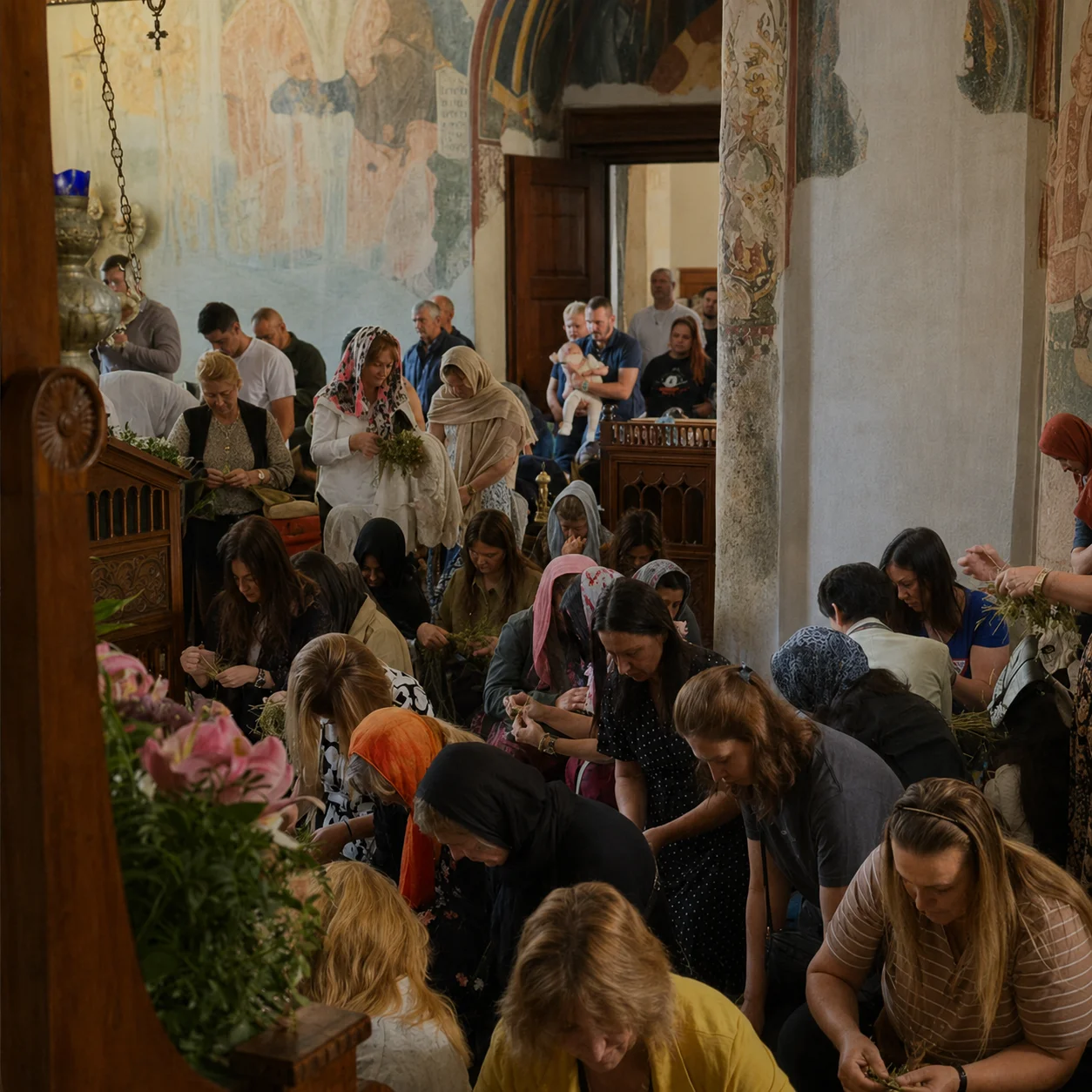
Manasija Monastery, the endowment of Despot Stefan Lazarević, is one of the most important cultural and spiritual sites in Serbia. Over the centuries it has survived many devastations and restorations, preserving its rich heritage.
LEARN MORE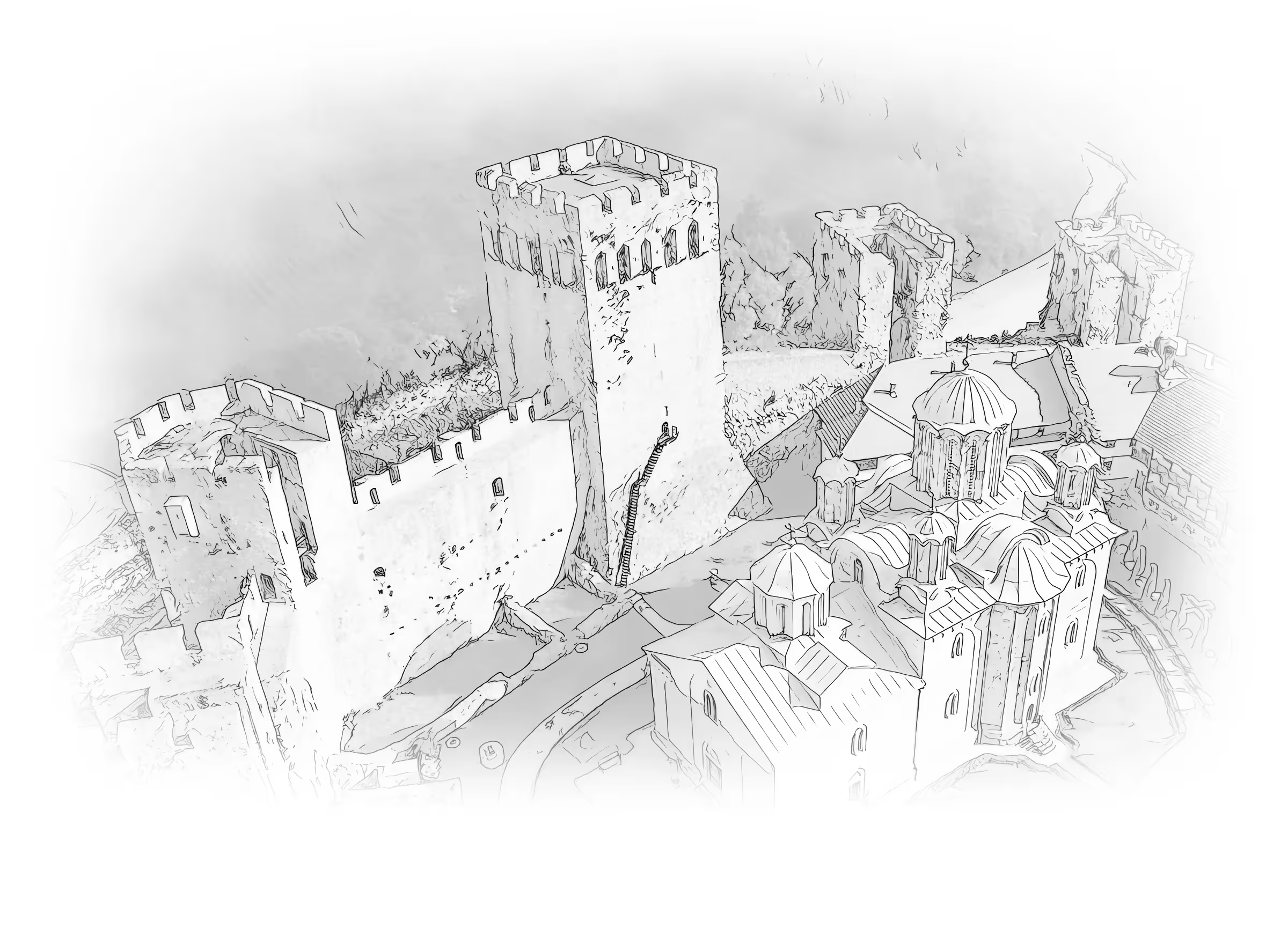
It all began with one man
II · Founder of the Monastery
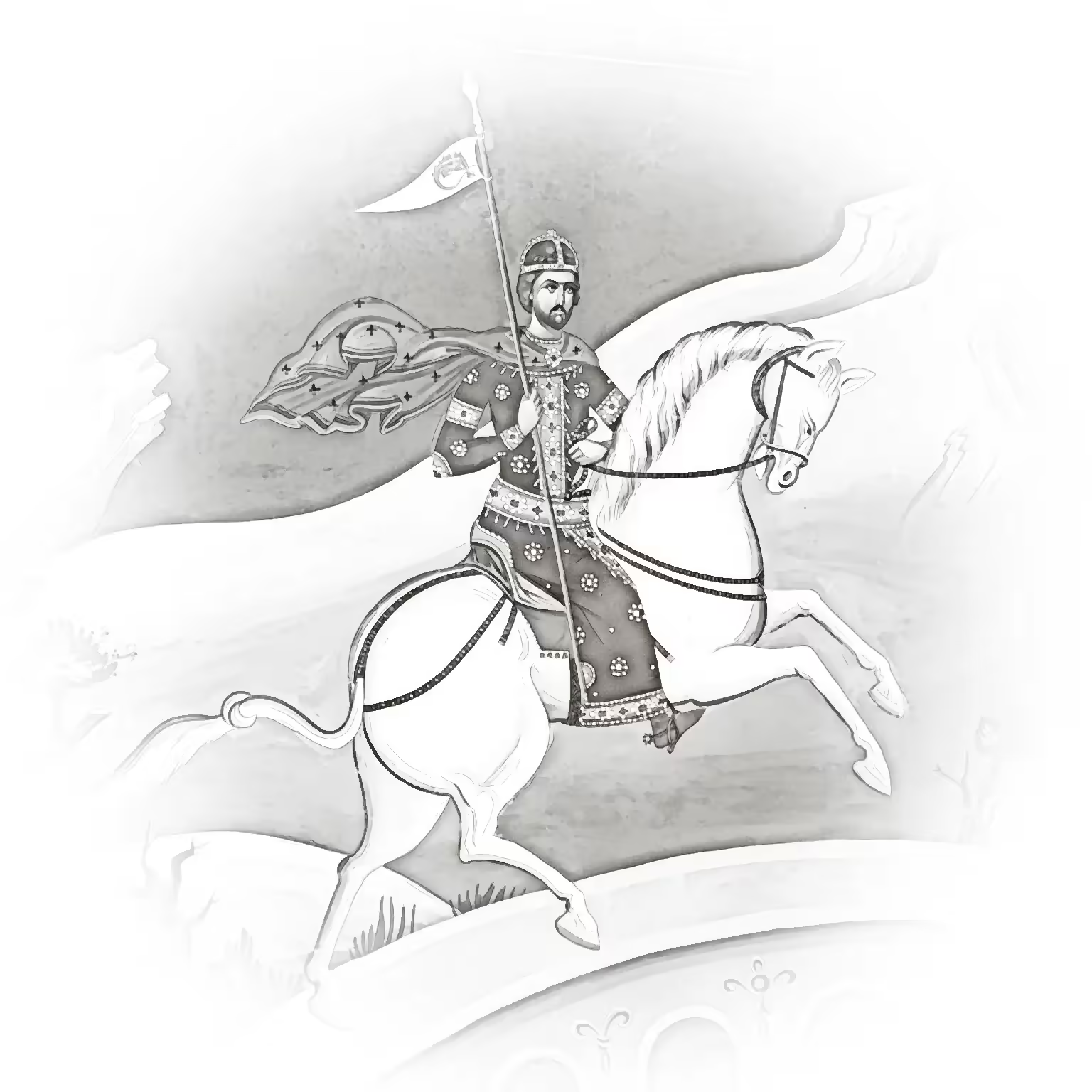
Despot Stefan
1377 – 1427
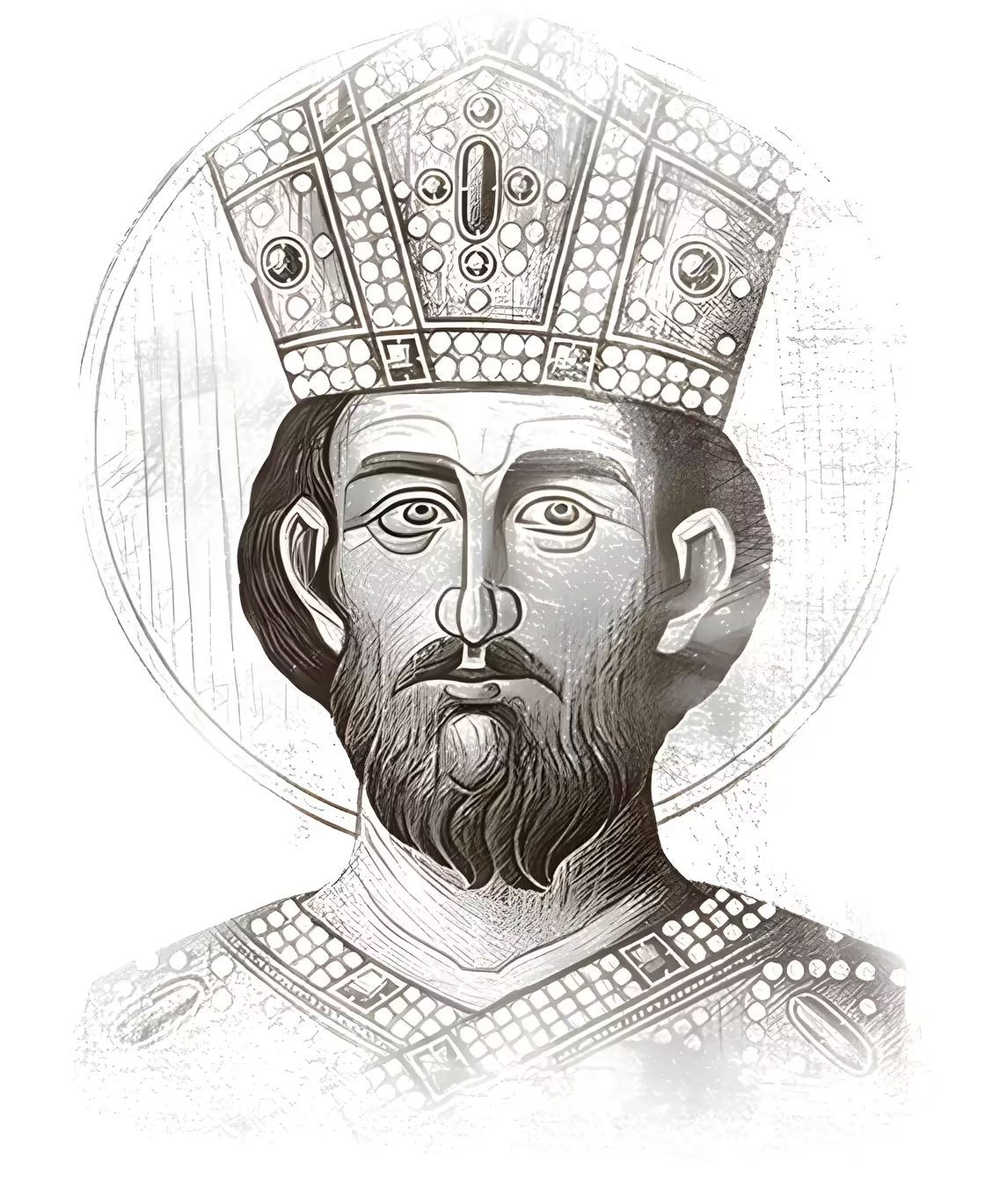
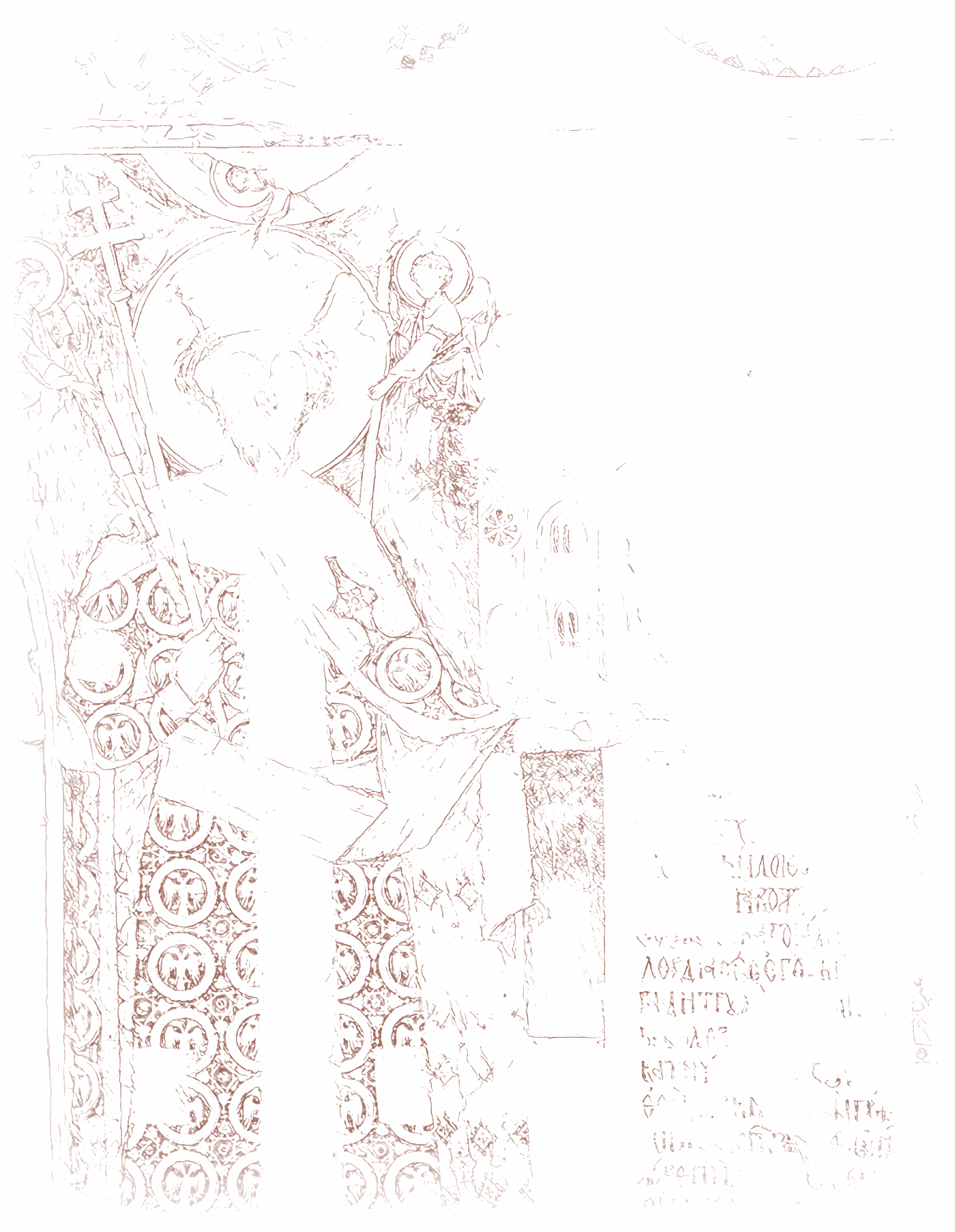
Despot Stefan Lazarević, known as Stefan the Tall, was not only a loyal strategist and knight but also a significant writer whose works rank among the most valuable achievements of medieval Serbian literature. Manasija Monastery, his endowment and final resting place, bears witness to his immense influence and importance.
All this, and the other wondrous works of God,
which not even the keenest mind can comprehend -
love surpasses.
The Despot girded his endowment with walls
III · Walls and Towers
The Fortress
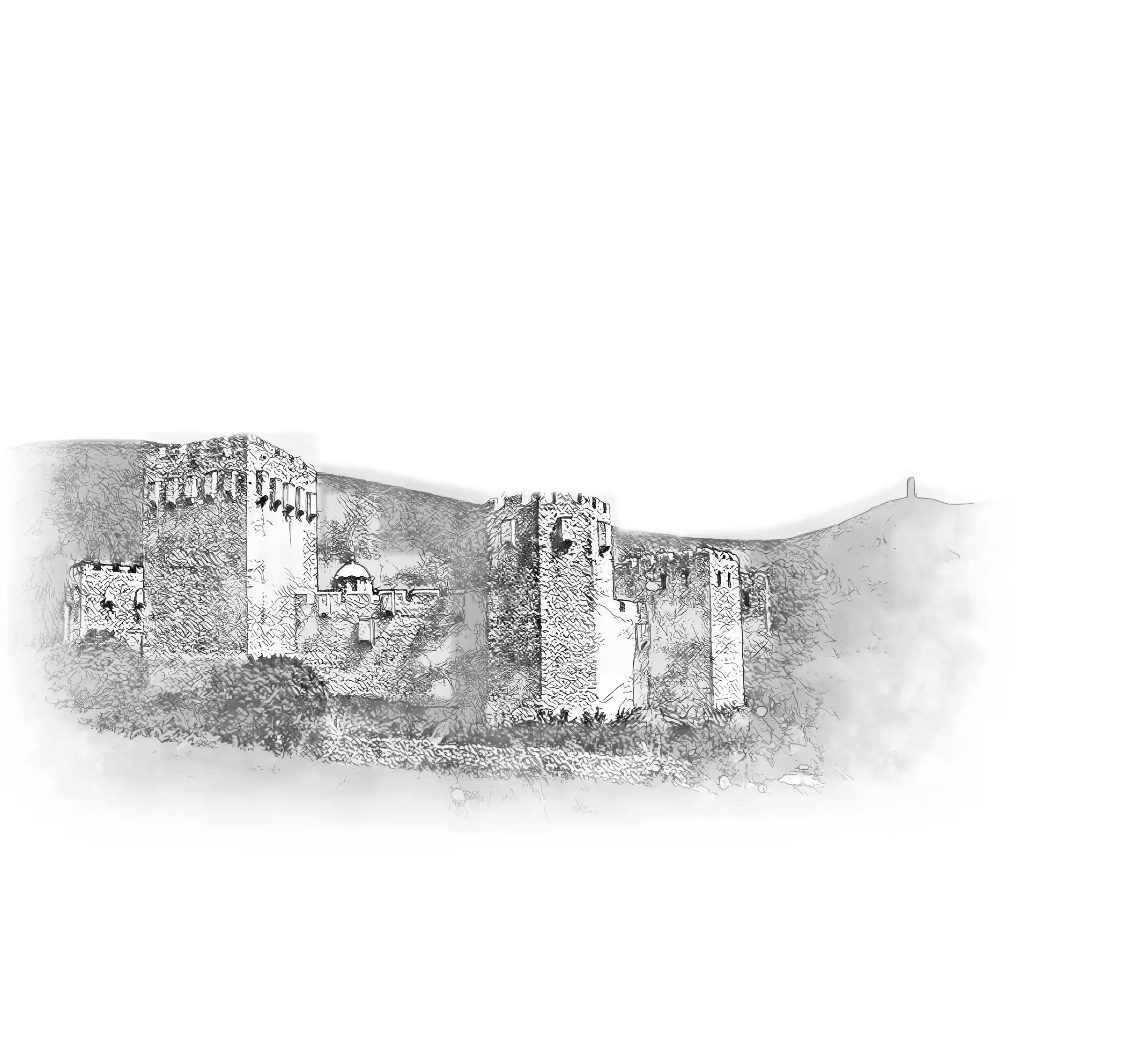
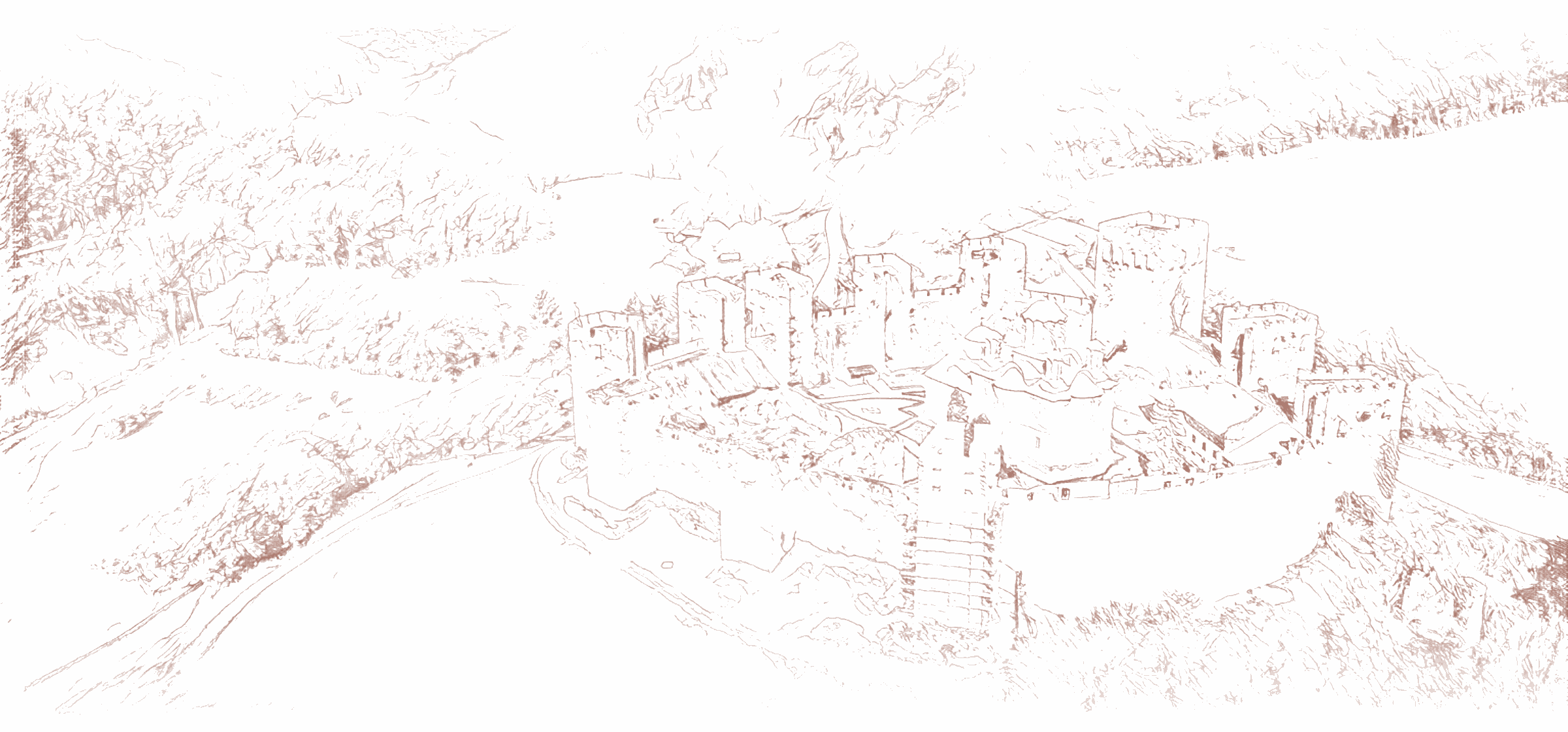
One of the most striking features of Manasija Monastery is its impressive fortress. The Church of the Holy Trinity is encircled by walls with twelve towers, the best known of which is the “Despot’s Tower”. The fortress is an example of the finest Serbian architecture of the late Middle Ages.
LEARN MOREBehind the walls - what they protected
IV · The Morava School
Architecture
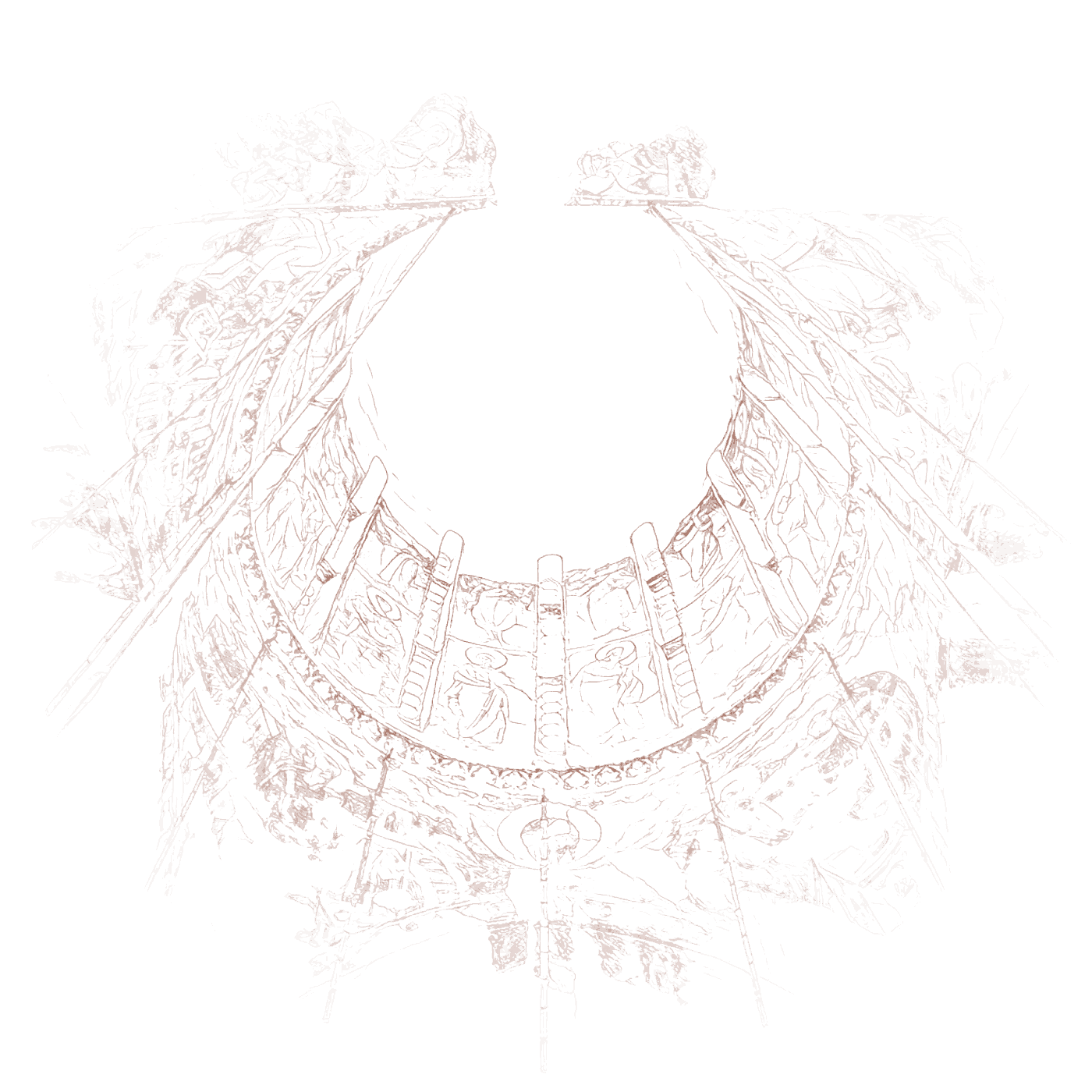
The architecture of Manasija Monastery is a masterpiece of the Morava School of building. The Church of the Holy Trinity, the second largest in medieval Serbia, stands out for its five-domed design and monumental central dome. The facades are faced with dressed stone and a thin layer of plaster, while the interior holds treasures of fresco painting and architectural detail that bear witness to the mastery and spiritual significance of this place.
LEARN MORE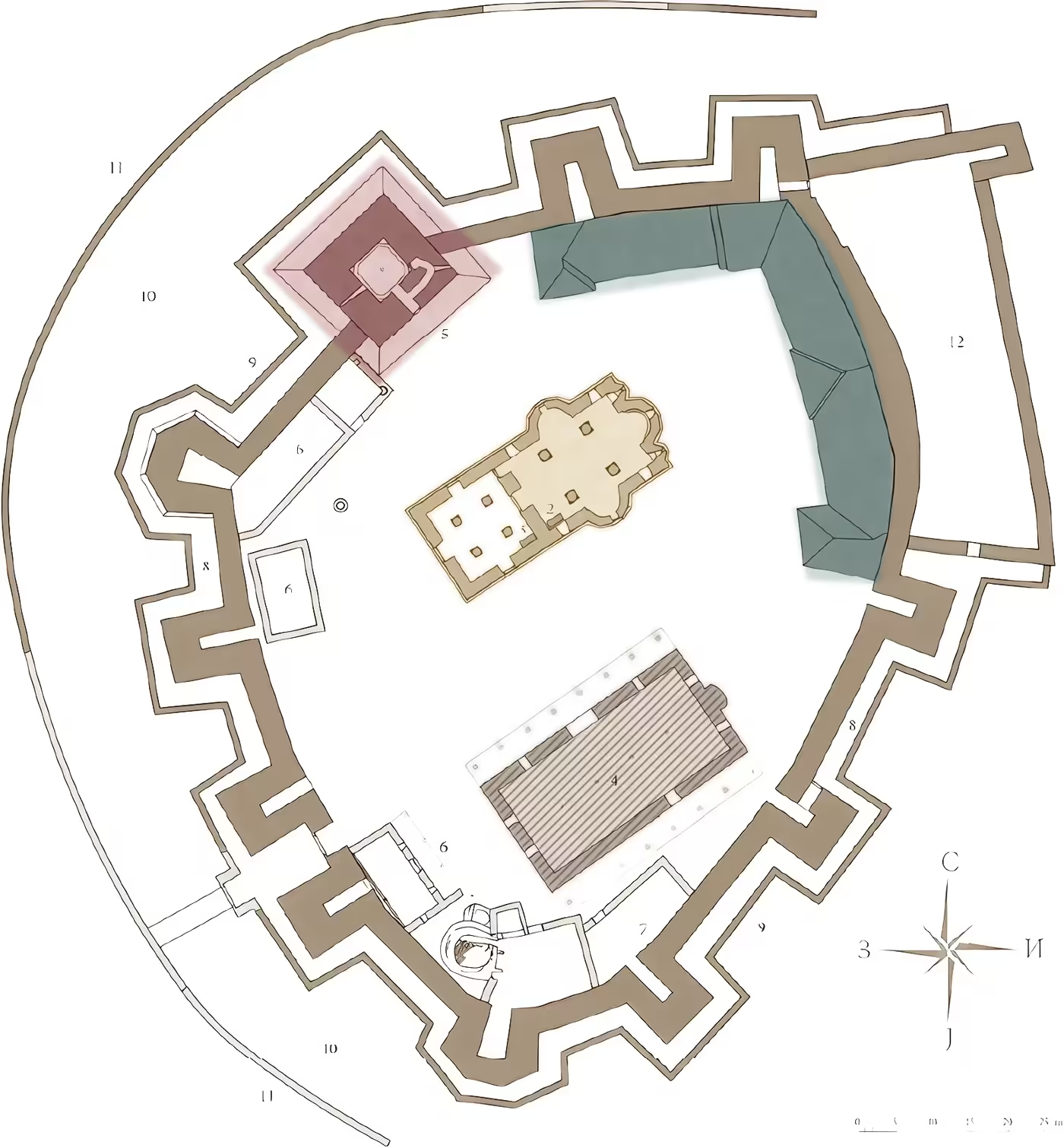
Plan of the monastery · legend
- The Despot’s TowerThe most massive part of the fortress and the only enclosed tower in the complex.
- Church of the Holy TrinityA five-domed church, the second largest in medieval Serbia.
- RefectoryThe monastery’s present-day refectory, along the north and east walls.
- Old RefectoryRuins of the former refectory, a freestanding building.
Beside the church, within the same ring of walls
V · A Freestanding Building
The Refectory
Manasija Monastery has a unique refectory which, unlike traditional monastic refectories, is a freestanding building. This architectural gem not only offers insight into the life of the monks of that time but was also part of the monastery's defensive system.
LEARN MORE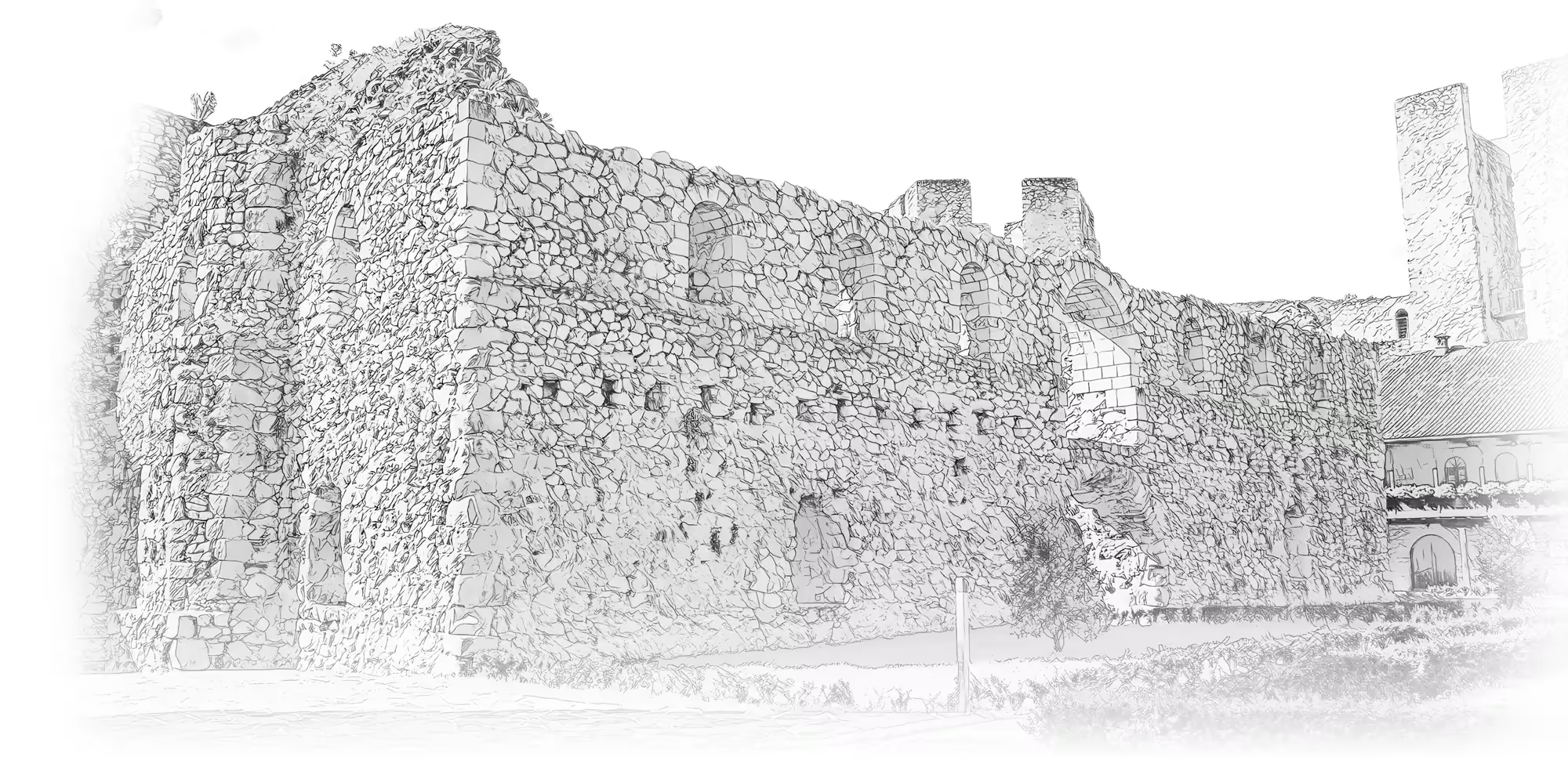
And inside - walls that speak
VI · The Resava Renaissance
Frescoes
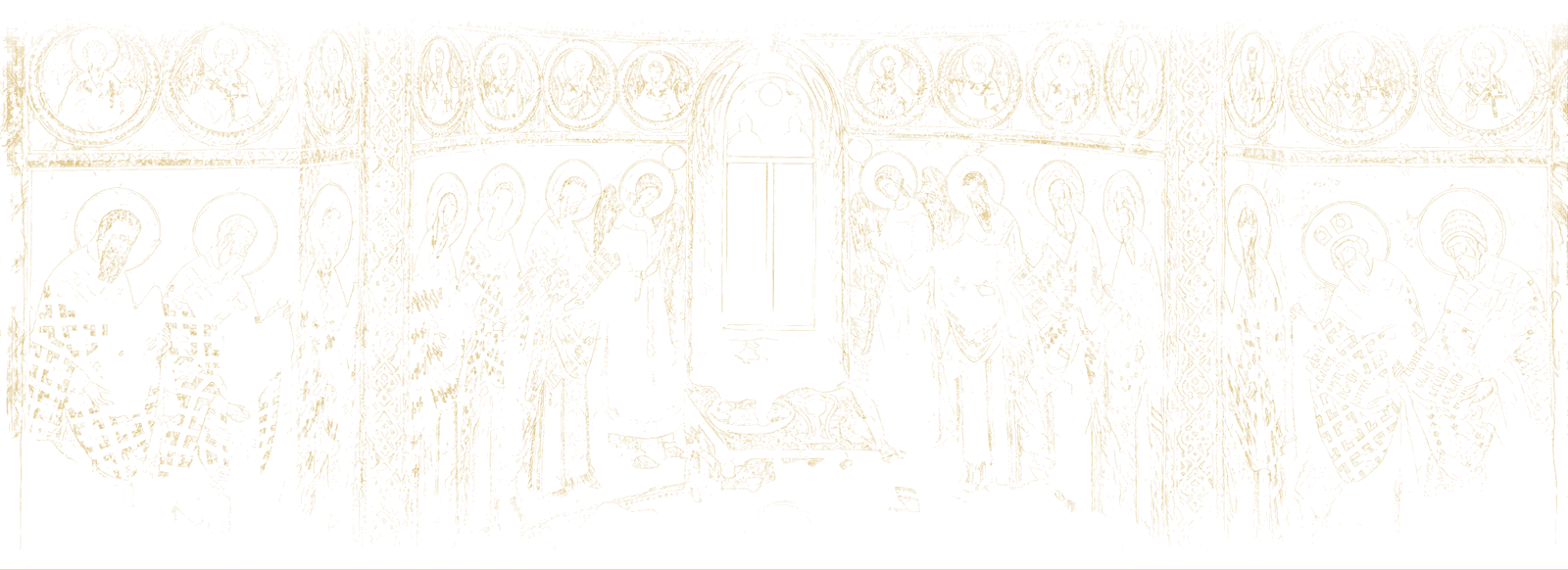
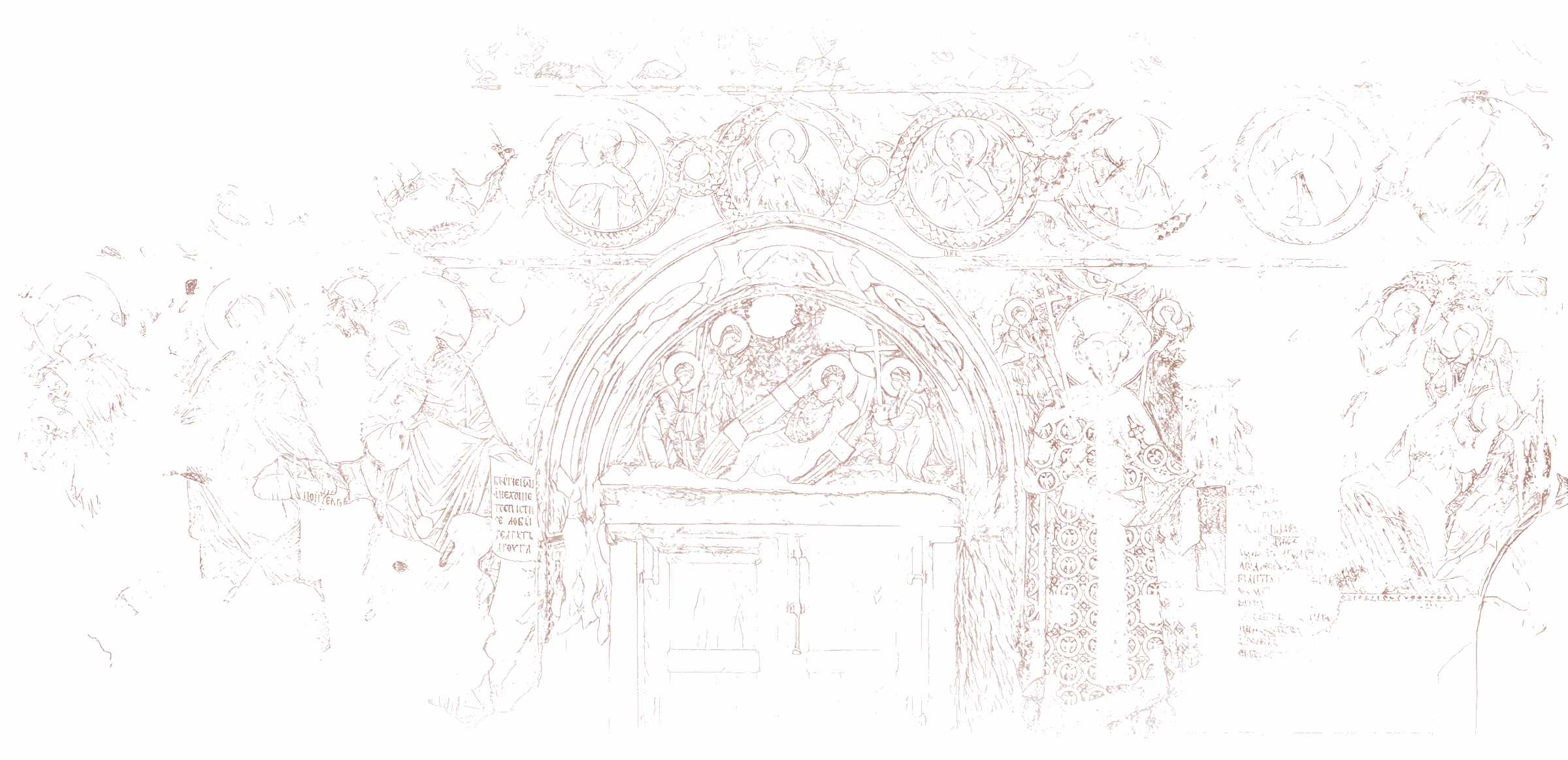
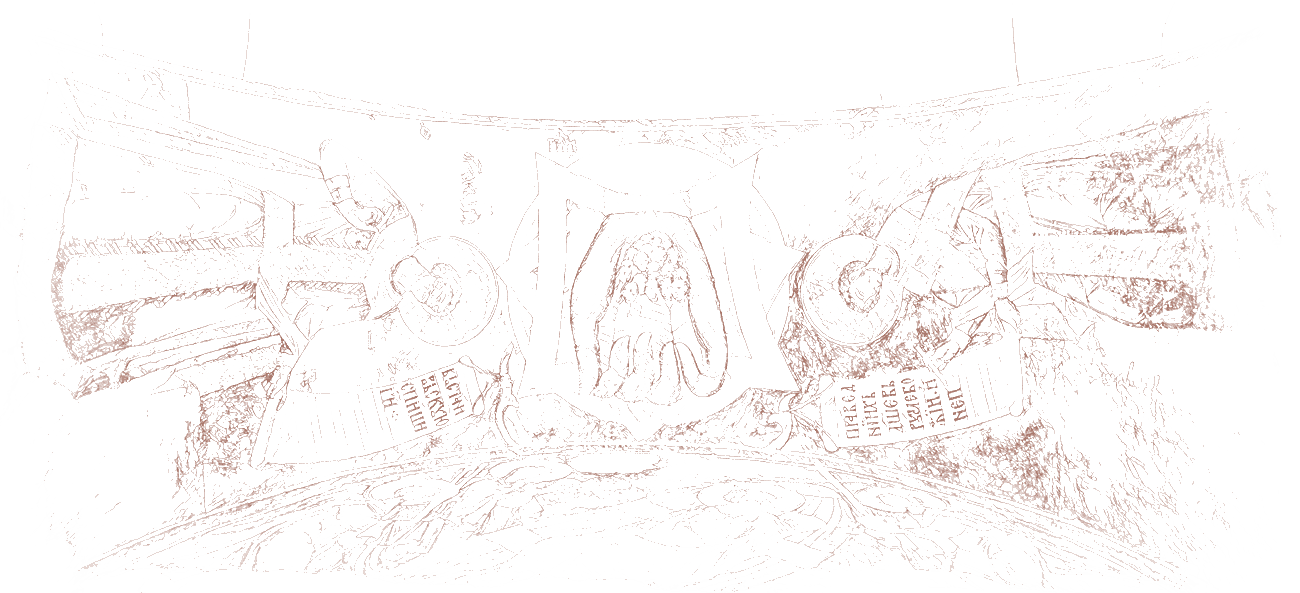
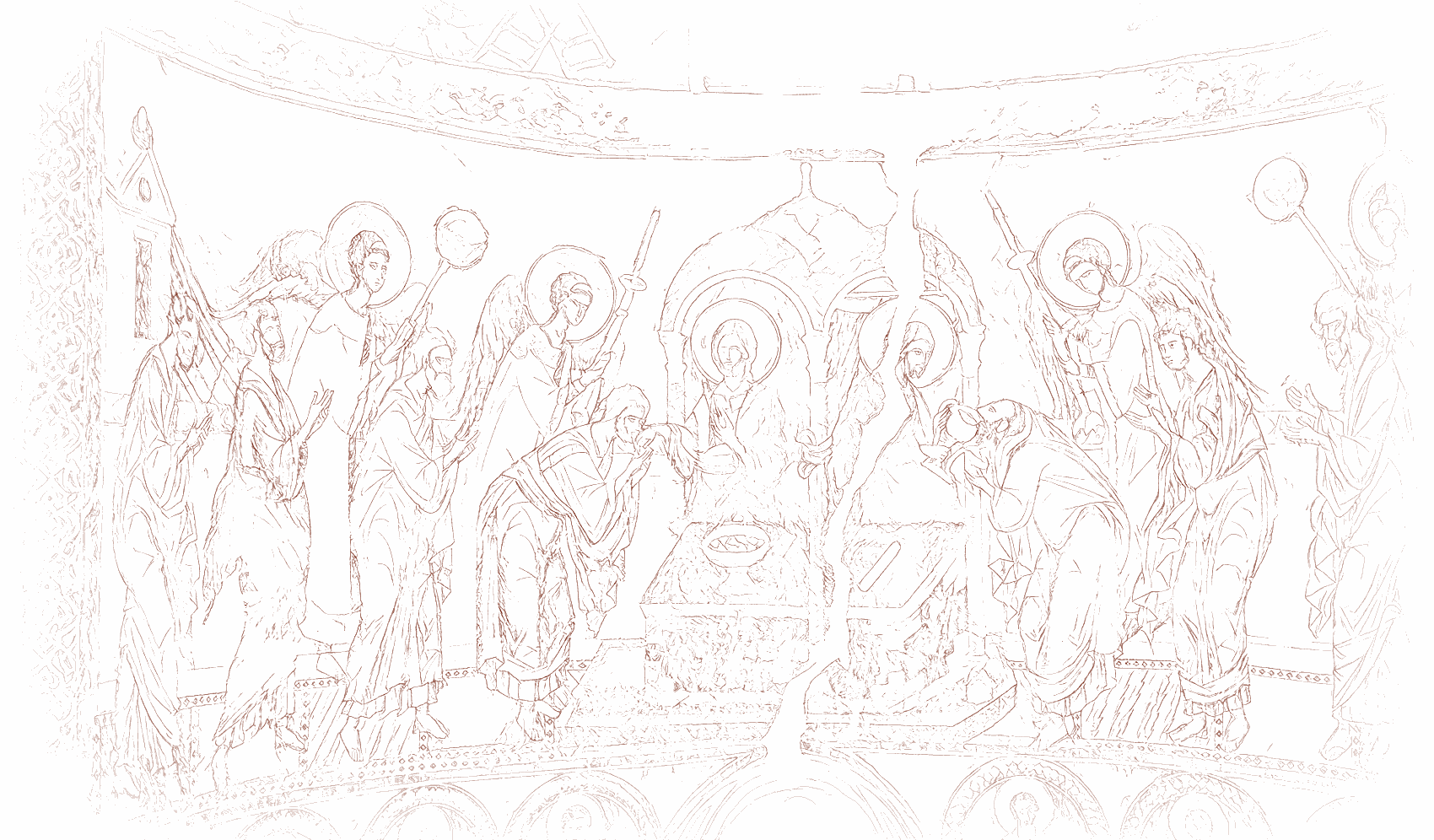
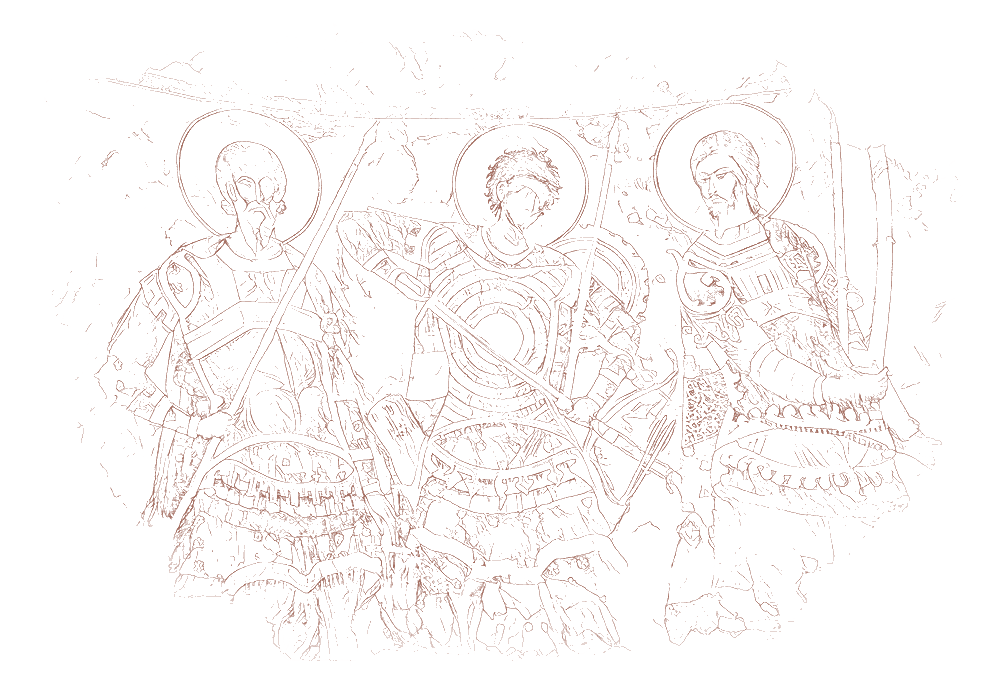
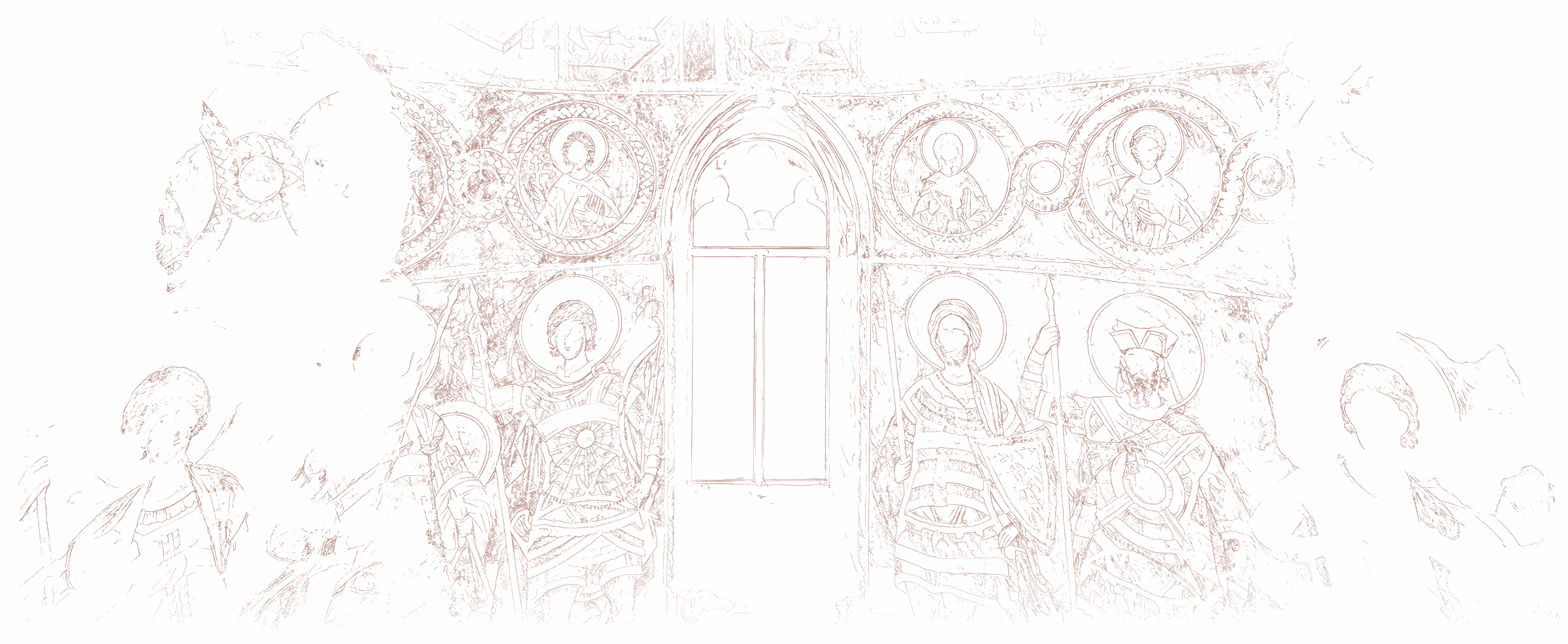
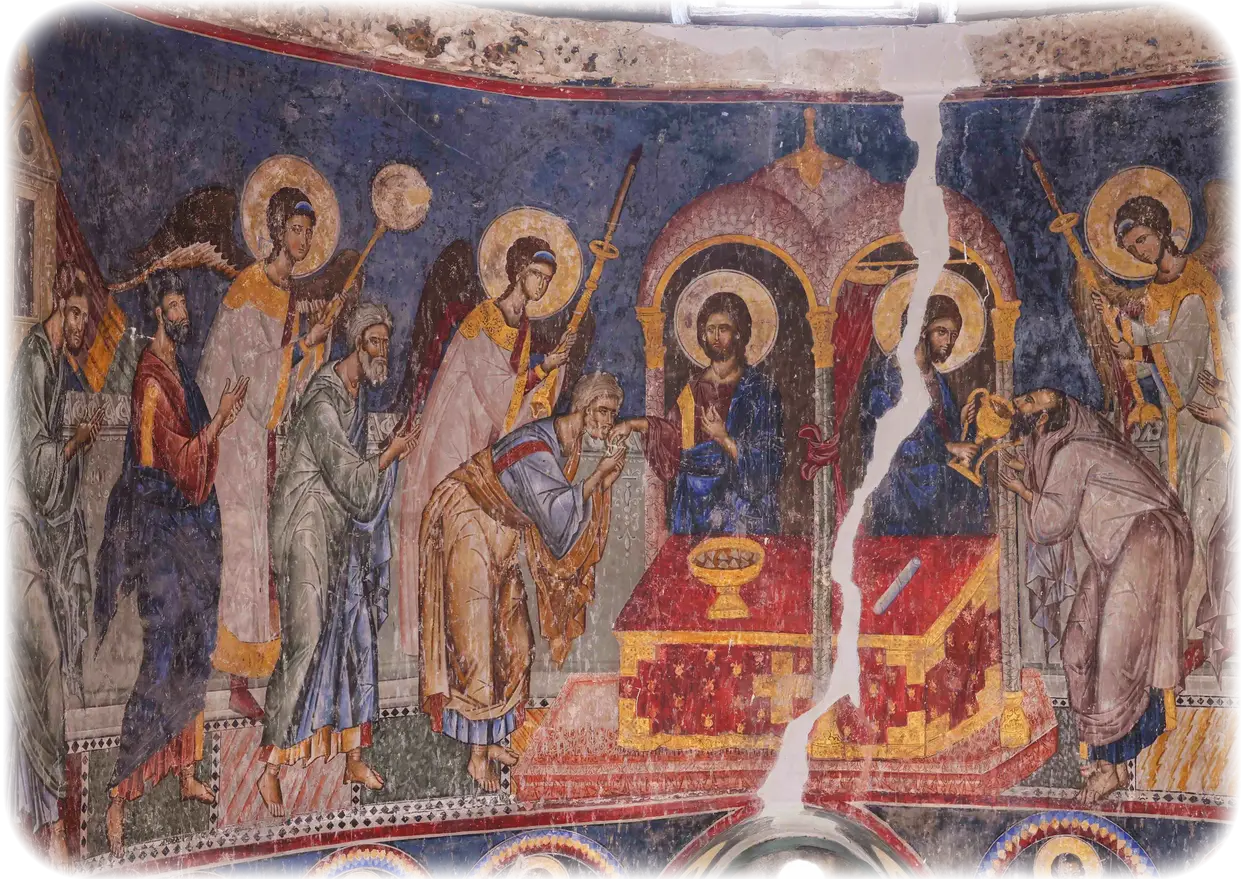
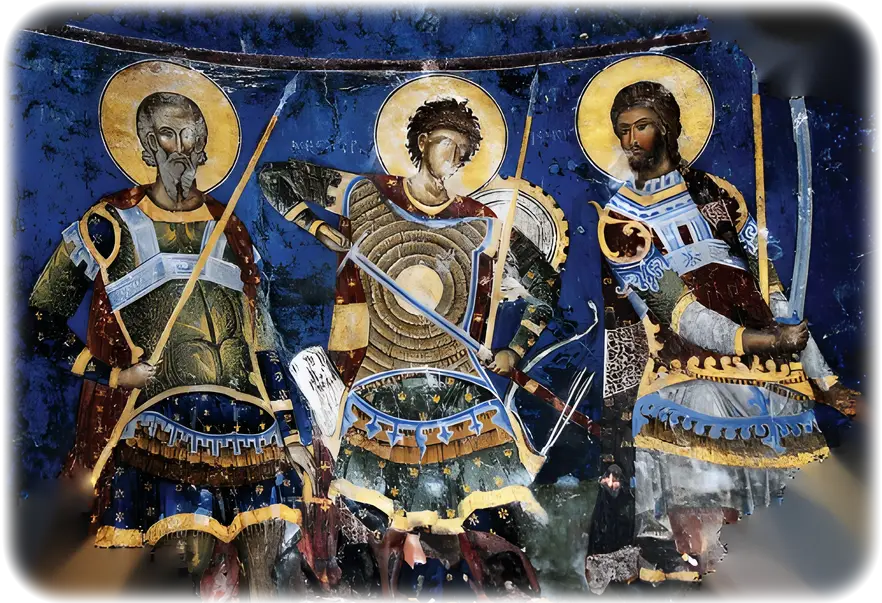
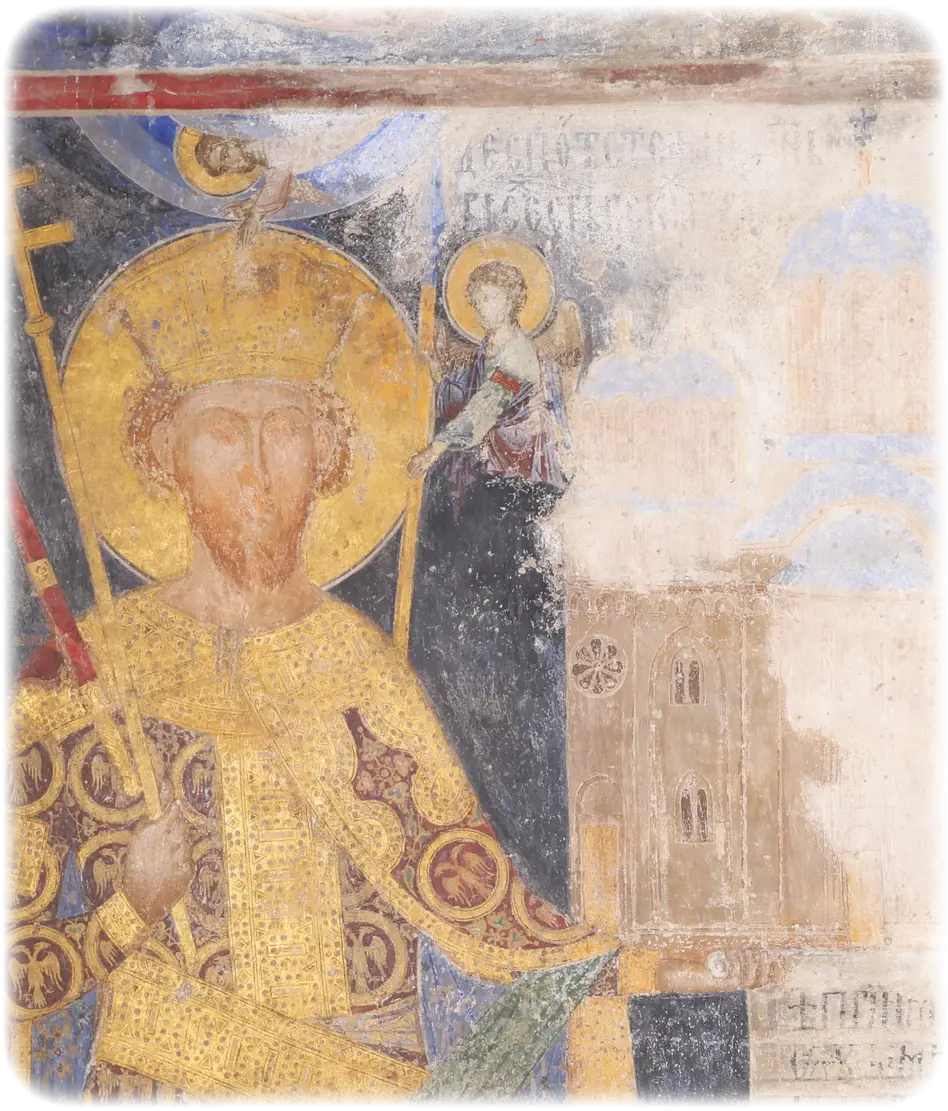
Though partly damaged, the frescoes of the Church of the Holy Trinity form an exceptional artistic whole, gathering the rich experience of medieval Serbian painting. Painted with virtuoso technique are scenes from the Bible, vivid portraits of saints and the founder’s composition of Despot Stefan Lazarević. The painting of Manasija is highly regarded as “the supreme work of the Morava School and of that period in the whole of the Balkans”, and in a European context it is known as the “Resava Renaissance”.
LEARN MORE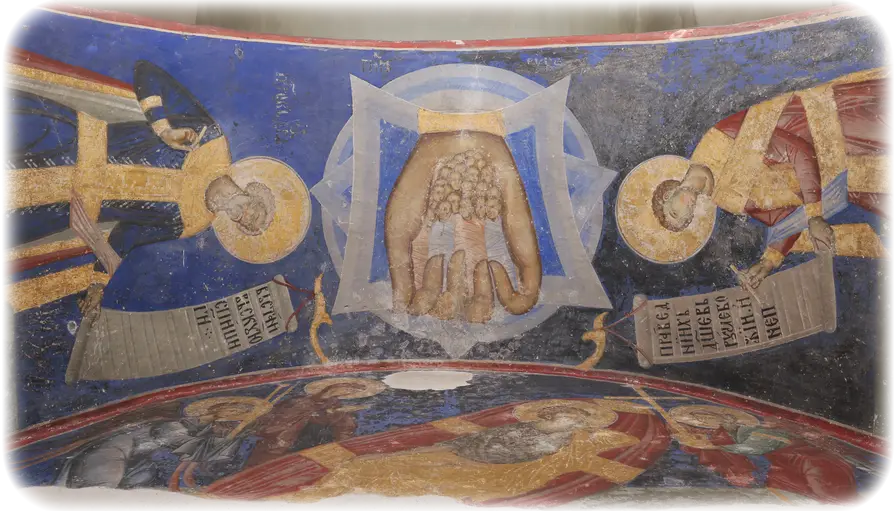
Beneath the same roof, books came into being
VII · 15th Century
The Resava School
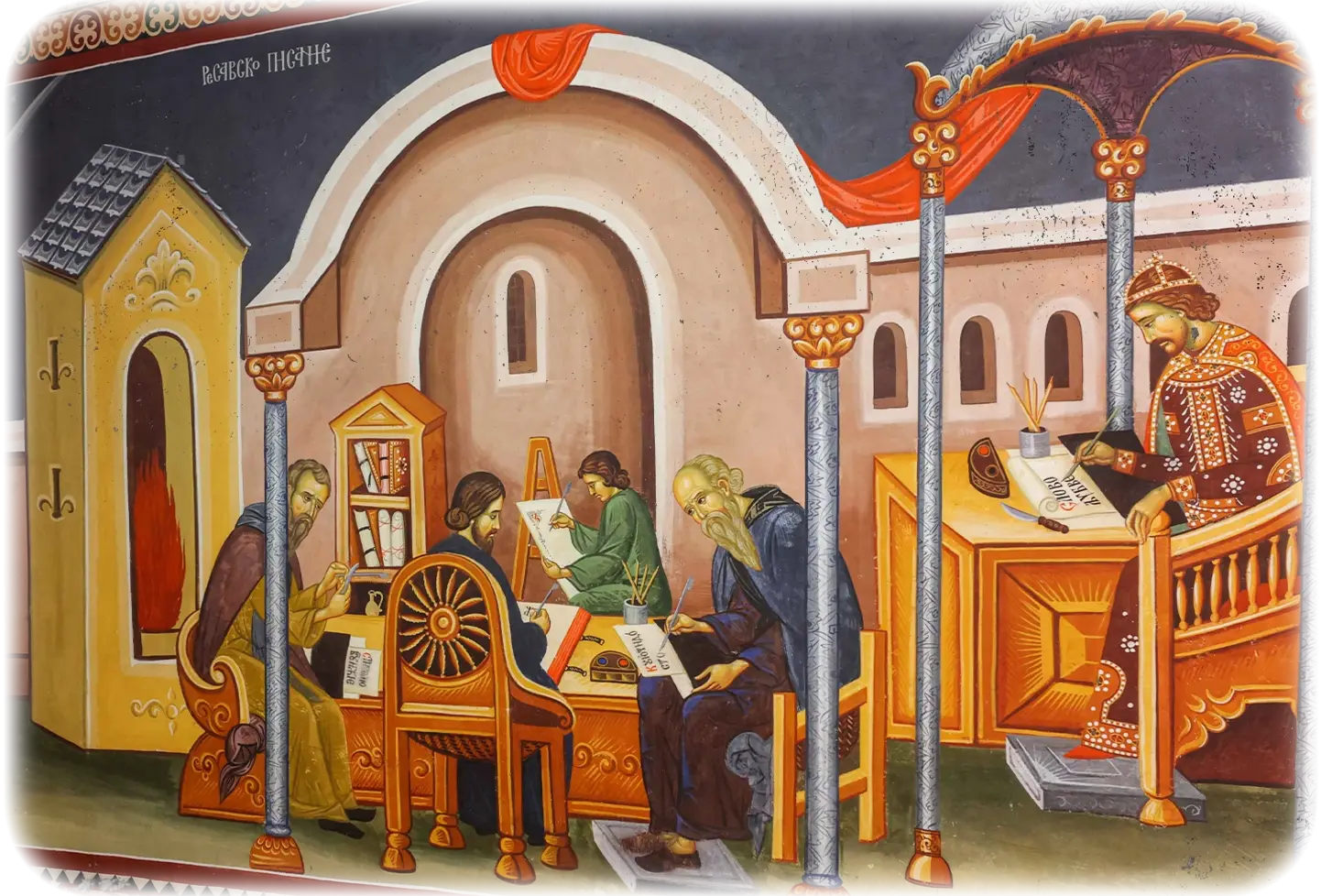
School of Scribes
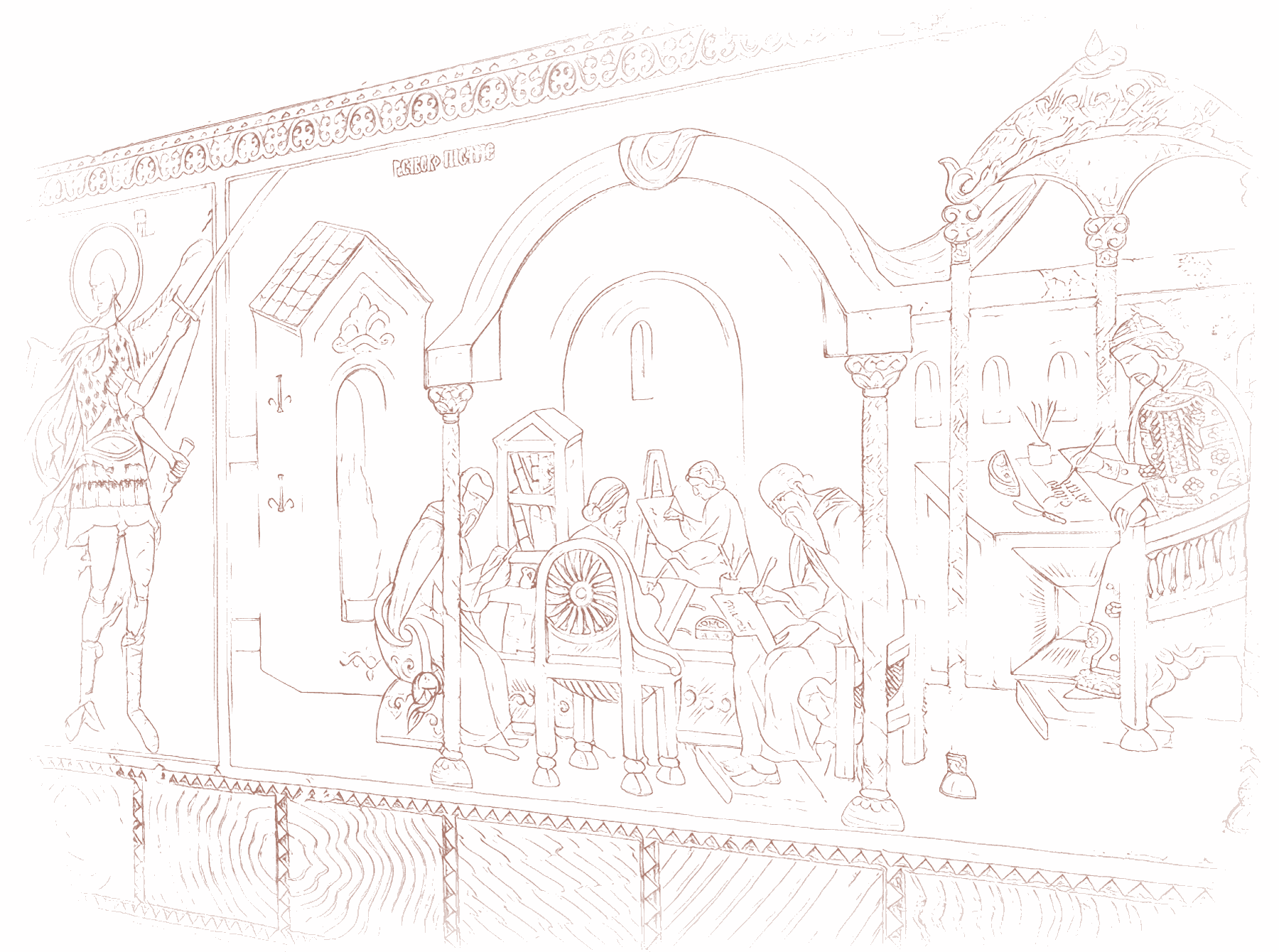
Manasija Monastery was home to the renowned Resava school of scribes, which gathered learned monks - writers, translators and copyists. Their work had a significant influence on the development of Serbian literature and culture in the 15th century.
LEARN MORELibrary
The rich library of Manasija Monastery preserves many manuscripts, books and icons that bear witness to the spiritual and cultural life of Serbia in the Middle Ages. This precious archive is an important source for the study of Serbian history, literature and art.
LIBRARYManasija Today
Six centuries later, the monastery lives on
From the Life of the Monastery
News
Support the monastery
Donations
Your support helps us preserve and care for the rich heritage of Manasija Monastery. If you wish to contribute to the restoration and upkeep of the monastery complex, you can do so through donations, which are always welcome and deeply appreciated.
Monastery account for payments in dinars
105-000-000-000-3776-50
AIK Banka
For payments from abroad, please contact the Monastery by email for instructions: manastirmanasija@mts.rs
Visit us
Contact
- AddressManasija Monastery
35213 Despotovac, SerbiaOpen in Maps ↗ - Phone+381 35 611 290
- Emailmanastirmanasija@mts.rs
- Opening hoursWeekdays 08–19h
Weekends and holidays 07–20h
Coordinates
N 44° 06' 03" E 21° 28' 09"
GPS: N 44 06 060 E 21 28 163