
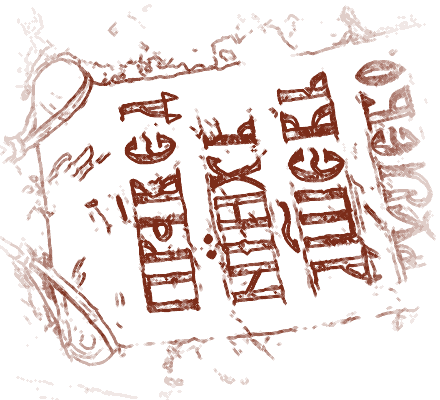
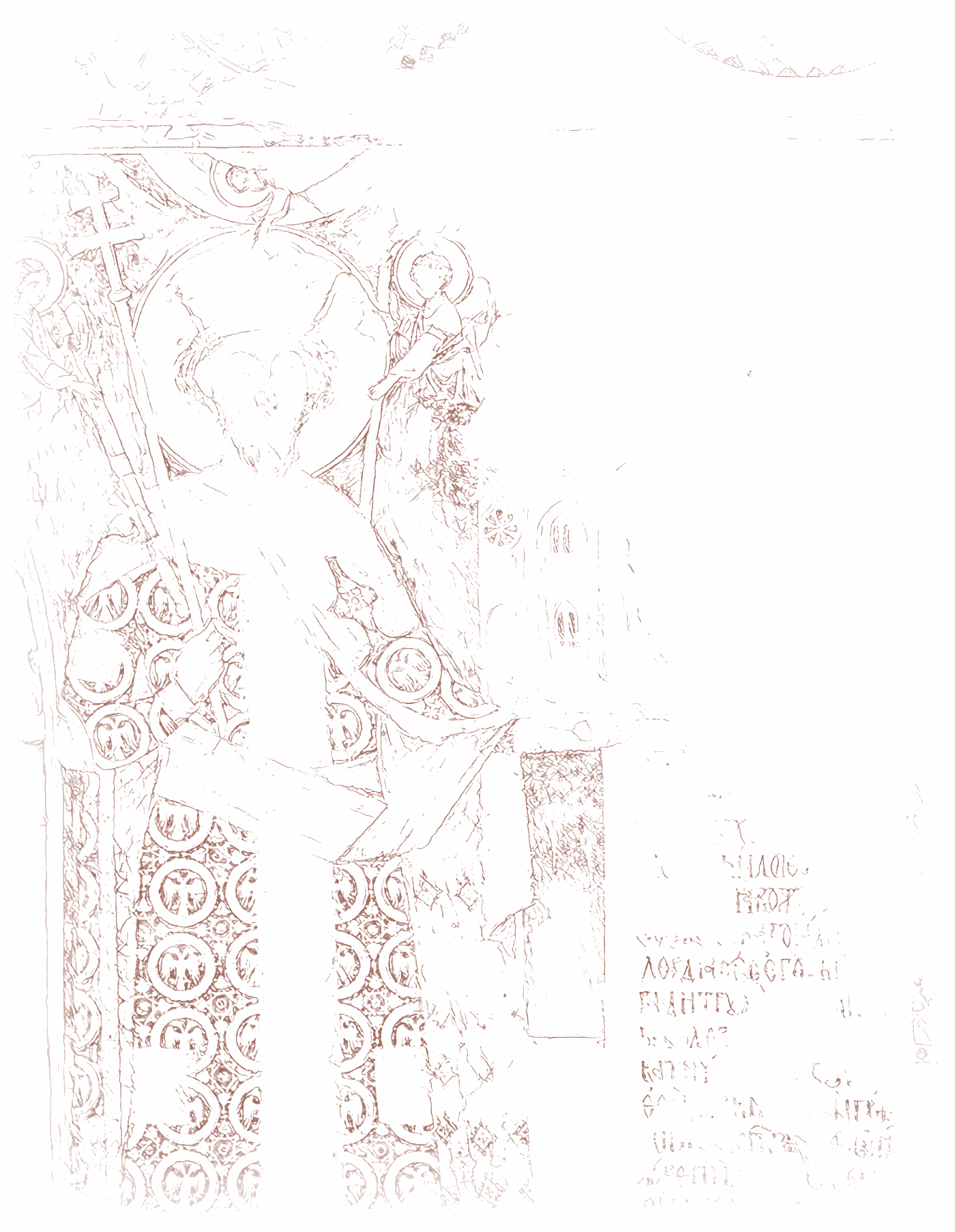
Despot Stefan Lazarević
The Charter of Despot Stefan to Mileševa Monastery
Page 2 of 6

conquests, not long after the fall of the Serbian Despotate , the lands of the Herzegovinian Duchy of Saint Sava also fell, and Mileševa Monastery found itself in the Ottoman Empire. In the new circumstances the monastery was plundered and burned several times. Its monks, wishing to preserve the monastic treasures, carried them off to refuges throughout the Serbian lands - from Hilandar and Fruška Gora, through Tvrdoš and Pakra, all the way to distant sanctuaries to which they withdrew together with the people in times of great danger. In one of these migrations the Mileševa charter of Despot Stefan Lazarević reached the treasury of Tvrdoš Monastery.
In the course of the conflict between the Ottomans and the Venetians during the Morean War (1684–1699), Tvrdoš Monastery was destroyed. In 1693 the brotherhood of Tvrdoš withdrew to Savina Monastery near Herceg Novi, carrying with them their most precious documents and holy objects. Thus the Mileševa charter of Despot Stefan also reached Savina Monastery; the charter is still kept at Savina today, as one of the significant testimonies of Serbian medieval culture and statehood.
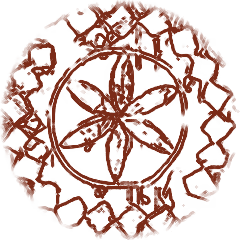
Together with the Mileševa charter, the cord with which the charter was bound and sealed has also been preserved, with the seal, made of yellow wax, whose obverse is coated with red wax. The seal of Despot Stefan Lazarević was not merely a confirmation of the authenticity of documents, but also a symbol of his royal dignity and of the continuity of Serbian statehood. On the front of the seal, which is 7 centimeters in diameter, there is a heraldic composition that unites the symbols of two dynasties - the Nemanjić and the Lazarević. In the center is a helmet with a mantle and horns that almost touch, the symbol of Prince Lazar, representing honor, protection and strength. Between the horns is a double-headed eagle, representing the Nemanjić heritage and imperial authority. On either side of the helmet are lilies, as a symbol of purity and legitimacy, while at the base is a three-sided shield with a diagonal bend, with one lily in each half. It might be supposed that besides royal dignity these lilies also represent a link with the Serbian rulers of Bosnia; on the other hand, they may also point to the Despot's noble status within the complex wider political context of Byzantium, Hungary and Western Europe.
Stefan Lazarević used these heraldic elements on his seals after 1402, that is, after he became despot, which testifies to his consistency in building his identity as a ruler. The complex symbolism of the seal reflects his personal and state ideology. The seal links the Nemanjić heritage as a symbol of the continuity of Serbian statehood, the Lazarević patrimony that confirms his right to the Serbian throne, and also heraldic motifs that might point to the Despot's ties with the Serbian lands on the other side of the Drina, as well as with the international nobility. Other charters of Despot Stefan were also sealed in the same way as the charter issued to Mileševa Monastery, which is sometimes mentioned in the text of the charter itself.
During the 19th century this charter attracted the attention of researchers. It was first published in 1844 by Georgije Nikolajević (1807–1896); this edition was followed by others from the 19th and early 20th centuries. The full scholarly value of this document was brought to light