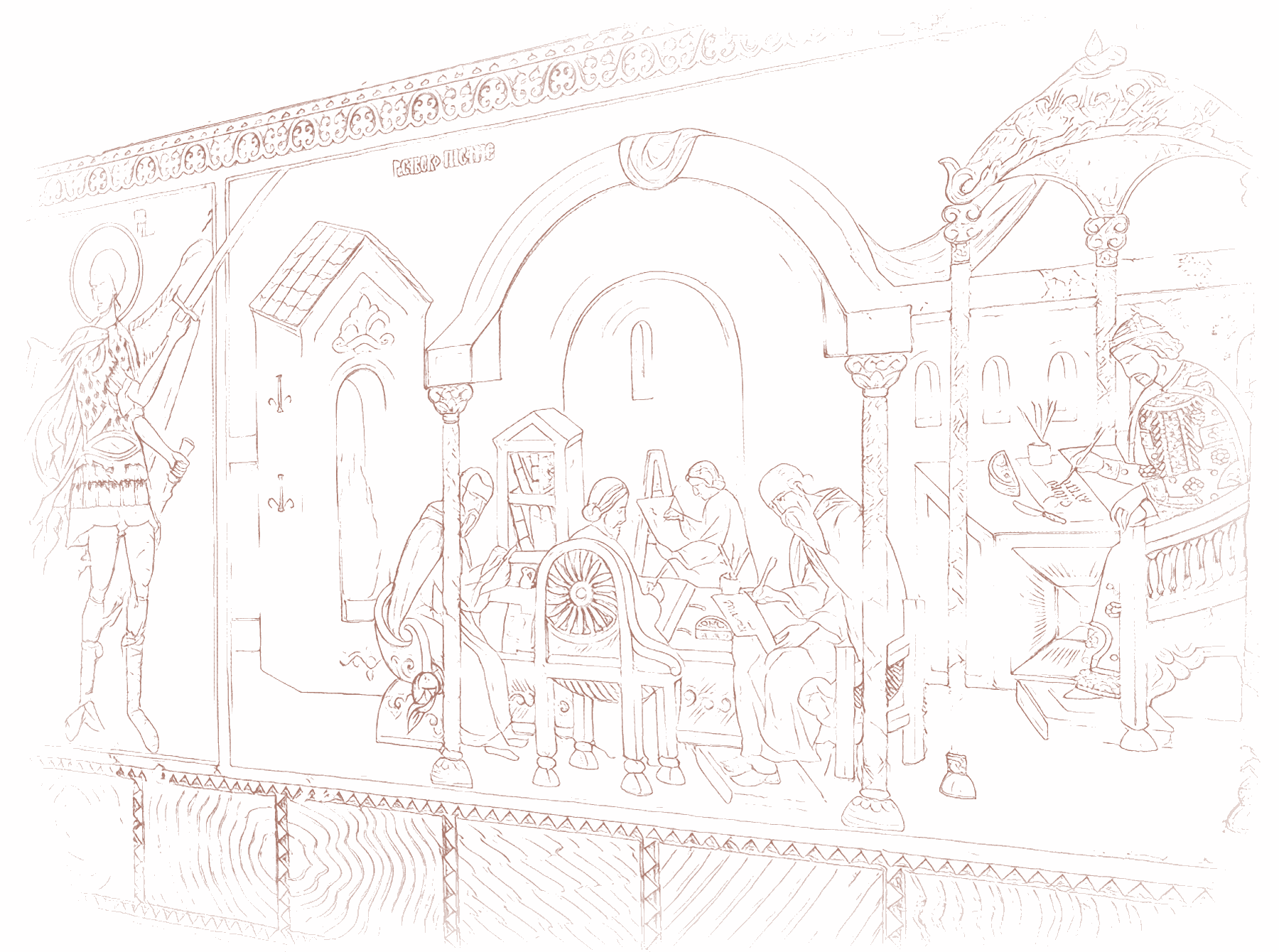

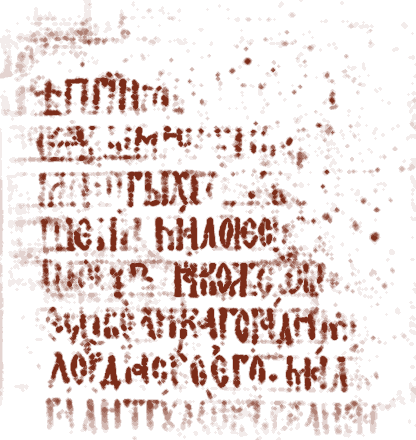
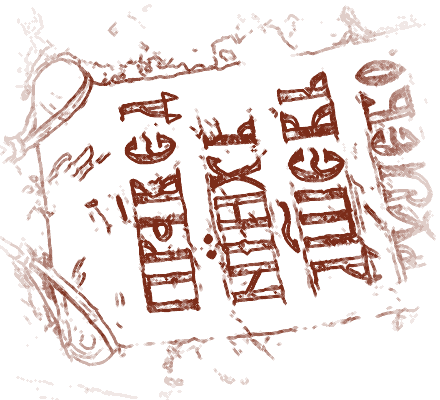
produced on Mount Athos, in the Monastery of Hilandar, in which a note was left by Gerasim, called the Bulgarian [SSZN 241]. The Lenten Triodion was copied by the scribe Radič in 1408, to the glory of the Holy Trinity and at the command of "the great lord of all the Serbian land and of the Danubian regions, the Christ-loving Despot Stefan" [SSZN 213]. In the days of "the pious and Christ-loving lord Despot Stefan," lord "of all the Serbian and Danubian and Sava lands," at the Despot's personal command, the hieromonk Jovan in 1413, "in the wilderness of Lešje," that is, in the Monastery of Lešje, copied the panegyrikon that is preserved in the Athonite Monastery of Saint Paul [SSZN 217]. It is held that it was Despot Stefan himself who commissioned the celebrated Munich Psalter, a manuscript that came from Mount Athos, by way of the monastery of Pribina Glava, to the Monastery of the Patriarchate of Peć, from where it was taken during the Austro-Turkish wars and carried off to Bavaria. The historian of Serbian literature Đorđe Sp. Radojičić (1905–1970) states that, according to one note, the Despot personally took care of "the copying of books, which he read with zeal and love, drawing wisdom from them with a desire that grew ever greater and with profit from these readings, for he loved these (books) greatly, as no one else in kingship and worldly glory" [SSZN 250], and he enumerates a large number of books known to have been copied at the order of Despot Stefan, such as the Panoplia Dogmatica of Euthymius Zigabenus, and several biblical books - the Gospels, the Book of Judges, the Book of Leviticus and the Book of Deuteronomy, etc., adding that in one book of patristic teachings of the Bulgarian recension from the 15th century, in what is in all likelihood a later note, it is said that Despot Stefan "wrote" this book "for the salvation of his soul" [SSZN 4952]. While the copyists worked diligently, literature flourished and developed. In this cultural flowering Constantine the Philosopher occupied one of the central places. His Treatise on Letters and his Life of Despot Stefan Lazarević of 1431 stand among the most significant achievements of this period. Besides him, in the time of Despot Stefan, Gregory Tsamblak, abbot of Dečani and later Metropolitan of Kiev, with his works such as the Life of Stefan of Dečani and his Homily on the Translation of the Relics of Saint Petka from Tarnovo to Vidin and Serbia, left a deep mark on Serbian literature. Among the distinguished writers of this period connected with the Resava cultural revival was also Andonije Rafail Epaktit, who wrote the Encomium of Prince Lazar. Works in the Resava orthography continued to be produced in the decades after the repose of Despot Stefan. The Varaždin Apostolos of 1454, produced in Slavonia at the commission of Katarina Branković, which is kept today in the Museum of the Serbian Orthodox Church in Belgrade, is one such manuscript. In the twilight of Serbian statehood the Resava orthography was the norm: thus the charters and letters from the period of the last Serbian despots preserved the rules and features of this orthography. After the Serbian Despotate fell under Turkish rule, monastic life and copying activity connected with the Resava School and the orthographic reforms underwent significant changes. A part of the monks, faithful to the tradition and work of the Resava School,
Manasija Monastery · Imperial Lavra of the Holy Trinity
Manasija
loading the page