




The time of abbot Pavle's brief postwar administration was a time that soon brought considerable changes for the Resava monastery. On the one hand, in 1948 Manasija Monastery was placed under state protection; the first archaeological and architectural field investigations of the Resava fortress and the Church of the Holy Trinity soon followed, and restoration work was also begun. On the other hand, by the decision of Bishop Hrizostom Vojinović of Braničevo (1911–1989), of blessed memory, Manasija Monastery was soon afterwards turned into a women's monastery: at the end of 1953 a sisterhood moved into it, led by Mother Paraskeva Jovanović (1912–1999) - a renowned nun, remembered as Mother - Amma. In 1955 abbot Pavle Panić, as an archimandrite, was transferred to the parish in the village of Vlaški Do,204 and continued his ministry - now as a parish priest.205 The administration of Manasija Monastery was taken over by Mother Paraskeva, who became abbess of the women's monastery of Manasija at the beginning of 1956: in that year there were about twenty nuns in the Manasija monastic community.206 After Archimandrite Pavle's departure, one priest remained in the monastery - the old hieromonk Joanikije Ivanov, who fell asleep in the Lord in 1957 or 1958.207 After his repose, the divine services in Manasija Monastery were celebrated in the following decades by numerous priest-monks and clergy, mostly from the surrounding monasteries but also from the surrounding parishes of the Eparchy of Braničevo. The Manasija sisterhood grew, passing through various periods and various trials. Monastic life in Manasija Monastery continued without interruption, and the sisterhood strove to secure all the conditions necessary for monastic life and also to restore the Despot's endowment. One of the priority tasks the sisterhood set itself was to improve the living conditions: first of all, the sisters of Manasija undertook the restoration of the old monastic lodging, which they successfully completed, thereby securing more favorable conditions and more suitable living quarters before the end of 1960.
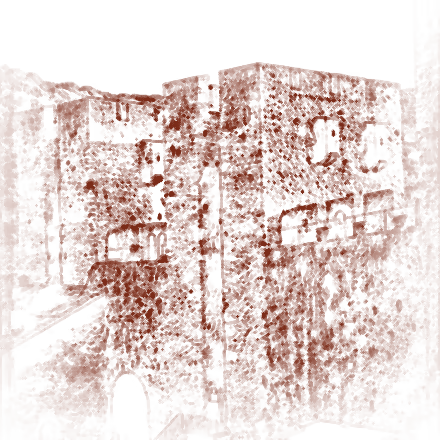
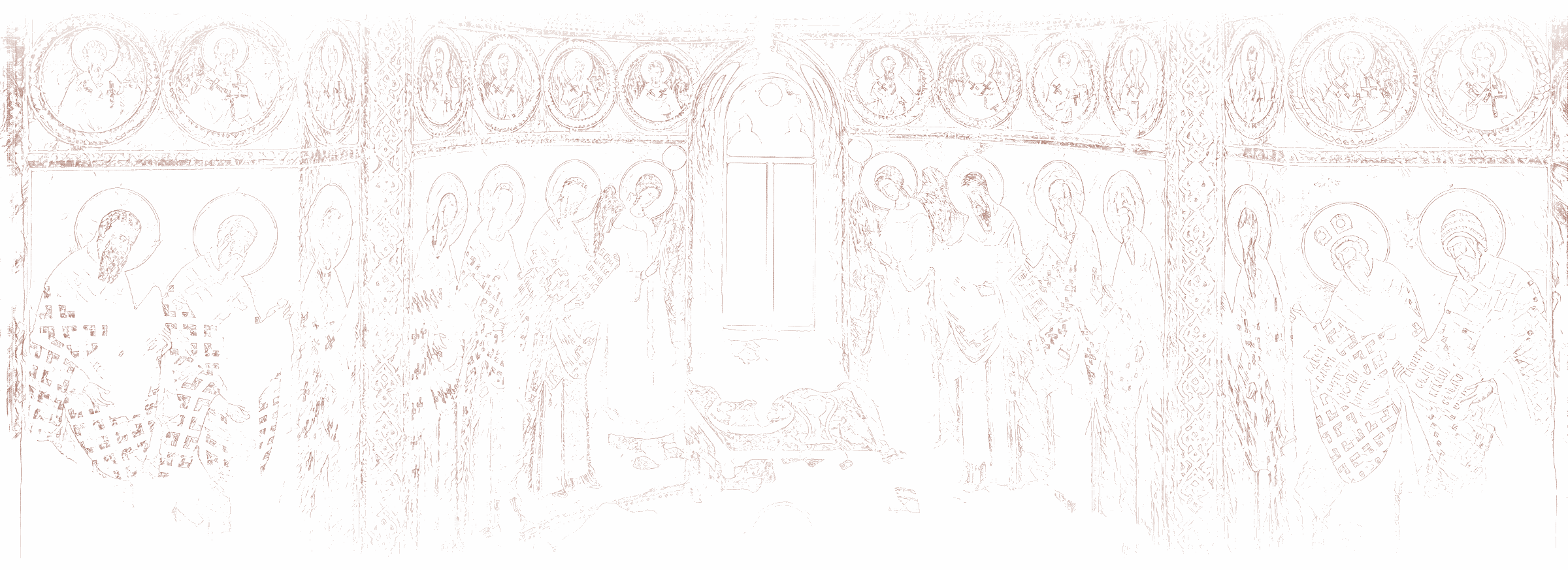
The engagement of state institutions made possible the beginning of a more complete restoration of the Manasija monastery complex at a time when the social position of the Church was unenviable. By divine providence, a time of gradual restoration came for the endowment of the Holy Despot in the postwar Yugoslav state. The Institute for the Protection of Cultural Monuments delegated experts who in the postwar years studied the Resava fortress and the Manasija church, putting forward preliminary proposals regarding the planned restoration and protection. At the end of 1956, work on the conservation and restoration of Manasija began. On the basis of the data then available a technical study was drawn up, and university professors, the architects Đorđe Bošković (1904– 1990) and Aleksandar Deroko (1894–1988), were consulted for their opinions on the conservation problems and the necessary measures. In the decades that followed, gradual restoration ensued,208 which has so far yielded considerable results.209 The Manasija ramparts and moats were investigated and to a certain extent restored.210 The wall paintings were conserved.211 Extensive work was carried out on the Despot's Tower.212
- Cf. Schema-Abbess Paraskeva (Jovanović), Diary Notes and Letters (Дневнички записи и писма), edited and compiled by Olivera Mijailović (Svilajnac: Monastery of the Entry of the Most Holy Theotokos into the Temple, 2019), 68–69; Tomić, Monasteries and Churches in Upper Resava, 115.
- In 1962 the name of abbot Pavle Panić from the village of Vlaški Do appears in the list of benefactors of the journal Pravoslavni misionar (cf. "?", Pravoslavni misionar: Supplement to the Glasnik of the Serbian Orthodox Church, year V, no. 3–4 (1962): 144). Archimandrite Pavle reached retirement in the parish of Vlaški Do; from Vlaški Do he departed into the bosom of Abraham (Vladislav Krupežević, "Archim. Pavle Panić, Parish Priest in Vlaški Do" („Архим. Павле Панић, парох у Влашком Долу"), Vesnik: Organ of the Main Federation of Associations of Orthodox Clergy of the SFRY, year XXII, no.
- Cf. Schema-Abbess Paraskeva (Jovanović), Diary Notes and Letters, 70.
- Cf. Schema-Abbess Paraskeva (Jovanović), Diary Notes and Letters, 76–77; Tomić, Monasteries and Churches in Upper Resava, 78, 111.
- Cf. M. Đ., "The Protection of Cultural Monuments in Serbia. A Joint Action of Archaeologists, Historians, Conservators..." („Заштита споменика културе у Србији. Заједничка акција археолога, историчара, конзерватора..."), Borba: Organ of the Socialist Alliance of the Working People of Yugoslavia, year XXVI, no. 177 [Belgrade edition] (Saturday, July 15, 1961): 6.
- Cf. Marin Brmbolić, Dragoljub Todorović and Gordana Simić, Manasija Monastery: Six Decades of Research and Protection (Манастир Манасија: шест деценија истраживања и заштите) [exhibition catalog] (Jagodina: Zavičajni muzej, 2014).
- Cf. Simić and Vukadinović, The Fortification of the Monastery of Resava, 39–55, 131–189.
- Cf. Tomić and Nikolić, Manasija: History - Wall Painting, 42–43; 99–107.
- Cf. B. Golubović, "Manasija Monastery Is Being Restored. The Despot's Tower Has Regained Its Old Appearance" („Рестаурира се манастир Манасија. Деспотова кула добила стари изглед"), Borba: Organ of the Socialist Alliance of the Working People of Yugoslavia, year XXXII, no. 63 [Belgrade edition] (Monday, March 6, 1967): 4; Gordana Simić, "Manasija Monastery - Research and Conservation Work on the Donjon in 1990" („Манастир Манасија - истраживачки и конзерваторски радови на донжону у 1990. години"), Glasnik of the Society of Conservators of Serbia, no. 15 (1991): 63–65; Gordana Simić, "Manasija Monastery - Restoration Work on the Despot's Tower in 1994" („Манастир Манасија - рестаураторски радови на Деспотовој кули у 1994."), Glasnik of the Society of Conservators of Serbia, no. 19 (1995): 107–109, etc.