

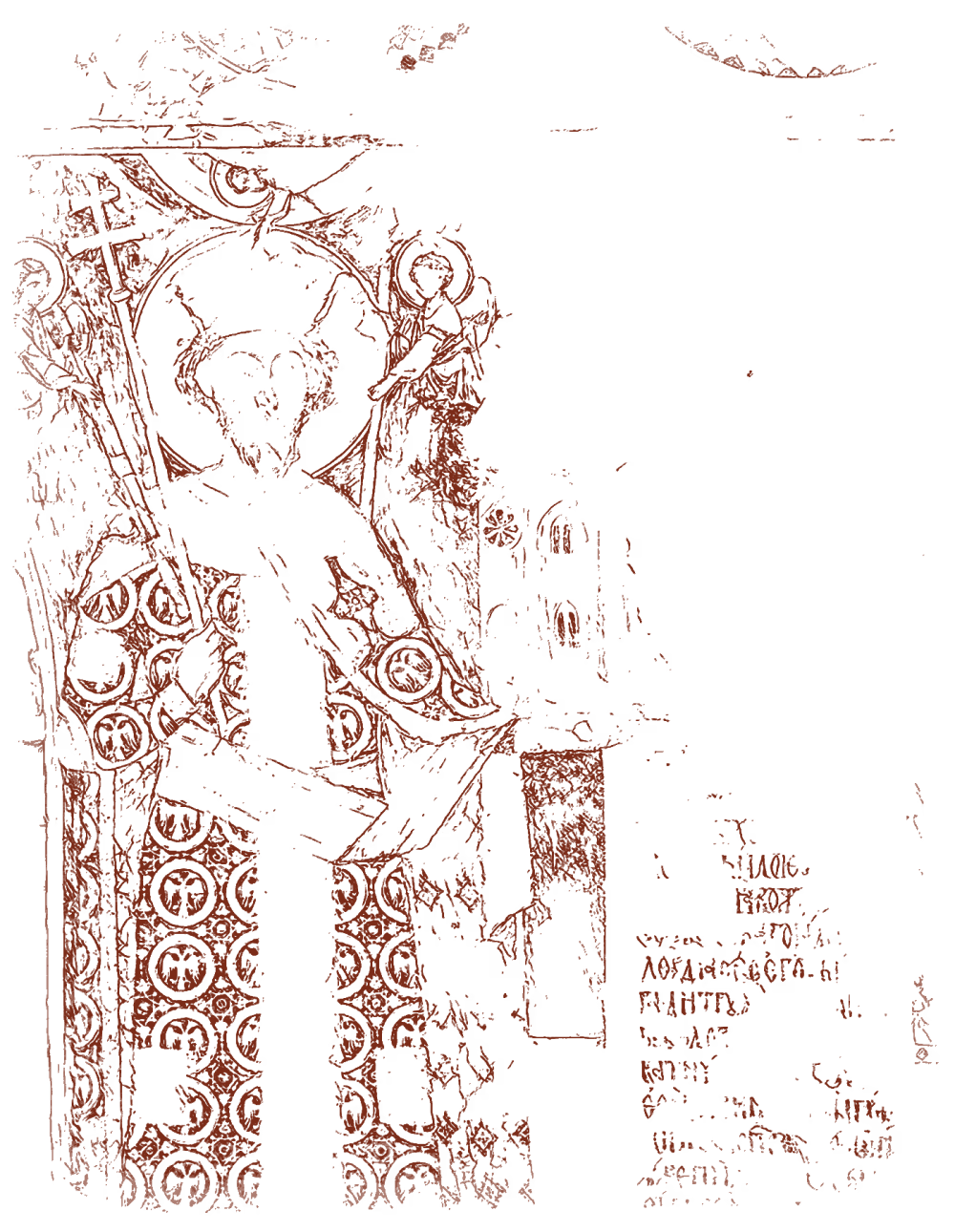

Despot Stefan Lazarević
The Charter of Despot Stefan on the Annual Fair in Munkács
Page 1 of 7

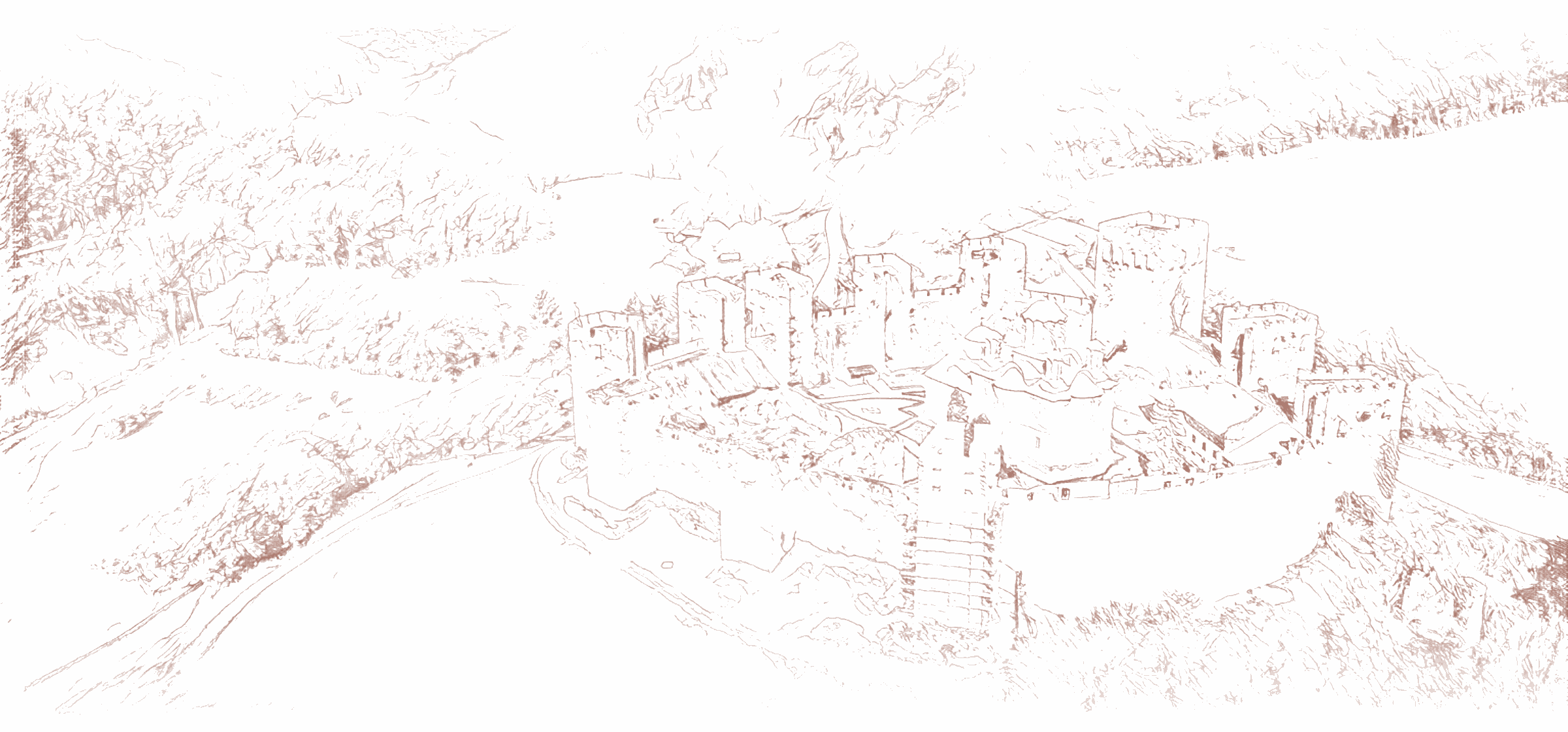

The Ottoman conquests in the Balkans in the second half of the 14th century brought about significant changes in international relations in southeastern Europe. After the Battle of Kosovo in 1389,
Ottoman units crossed the Sava and the Danube on plundering raids into Hungarian lands. The defeat of the Christian army at Nicopolis in 1396 led to the establishment and later deepening of Serbian-Hungarian cooperation. After the great Ottoman defeat at Ankara (Angora) in 1402, conditions were created for strengthening the ties between the Serbian lands and Hungary. Despot Stefan Lazarević consolidated his alliance with the Hungarian King Sigismund (1368–1437) before April 1404, accepting certain vassal obligations.
On the other hand, as confirmation of this alliance, the Despot received from the Hungarian king the regions of Mačva and Belgrade, as well as important fortresses such as those of Belgrade and Golubac on the Danube, and later Srebrenica - a rich mine in eastern Bosnia - and certain other towns. Along with these places, he also received many estates throughout Hungary. The first reliable information about the estates that Stefan Lazarević received in Hungary dates from 1411. At that time he was granted towns located in Szatmár County: the former Szatmár region is today situated at a tripoint and is divided between Romania and Hungary, while a small part of it belongs to Ukraine. The Hungarian towns that the ruler of the Serbian Despotate then received are today in northwestern Romania - these are Szatmár, Németi, Nagybánya and Felsőbánya. These towns were far from insignificant; they were renowned mining and trading centers, and the Despot received them together with their precious-metal mines and mint, as well as the revenues of the Szatmár chamber and 15 surrounding villages. In addition, he received the market town of Debrecen, today the second-largest city in Hungary, and a number of other estates in present-day eastern Hungary, including Böszörmény, Szoboszló and Dada, with another 34 villages. During his reign, the Despot held estates and had his officials in Bačka and the Banat, and he governed fortresses and market towns such as Arača, Bečej, Bašaid and Bečkerek. It is assumed that the villages in their surroundings also belonged to him, as did Apatin and other places in Bačka. In short, the Despot's estates in Hungary were numerous, and they included the whole of Szatmár County, as well as towns and villages in the counties of Bihar, Szabolcs, Krassó and Temes, and large estates in Torontál County. Despot Stefan took part in the political and administrative life of the Kingdom of Hungary. On the basis of historical testimonies, it is known that the Despot governed his Hungarian estates through his Hungarian