

Despot Stefan Lazarević
The Charters of Despot Stefan to Hilandar Monastery
Page 2 of 10
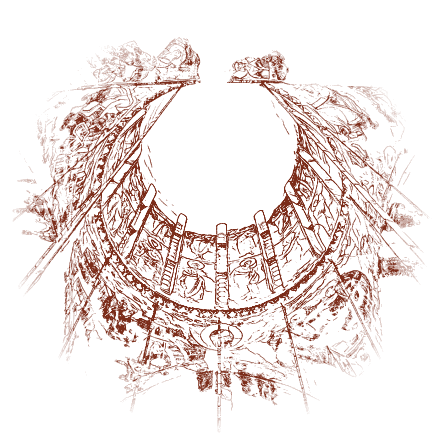
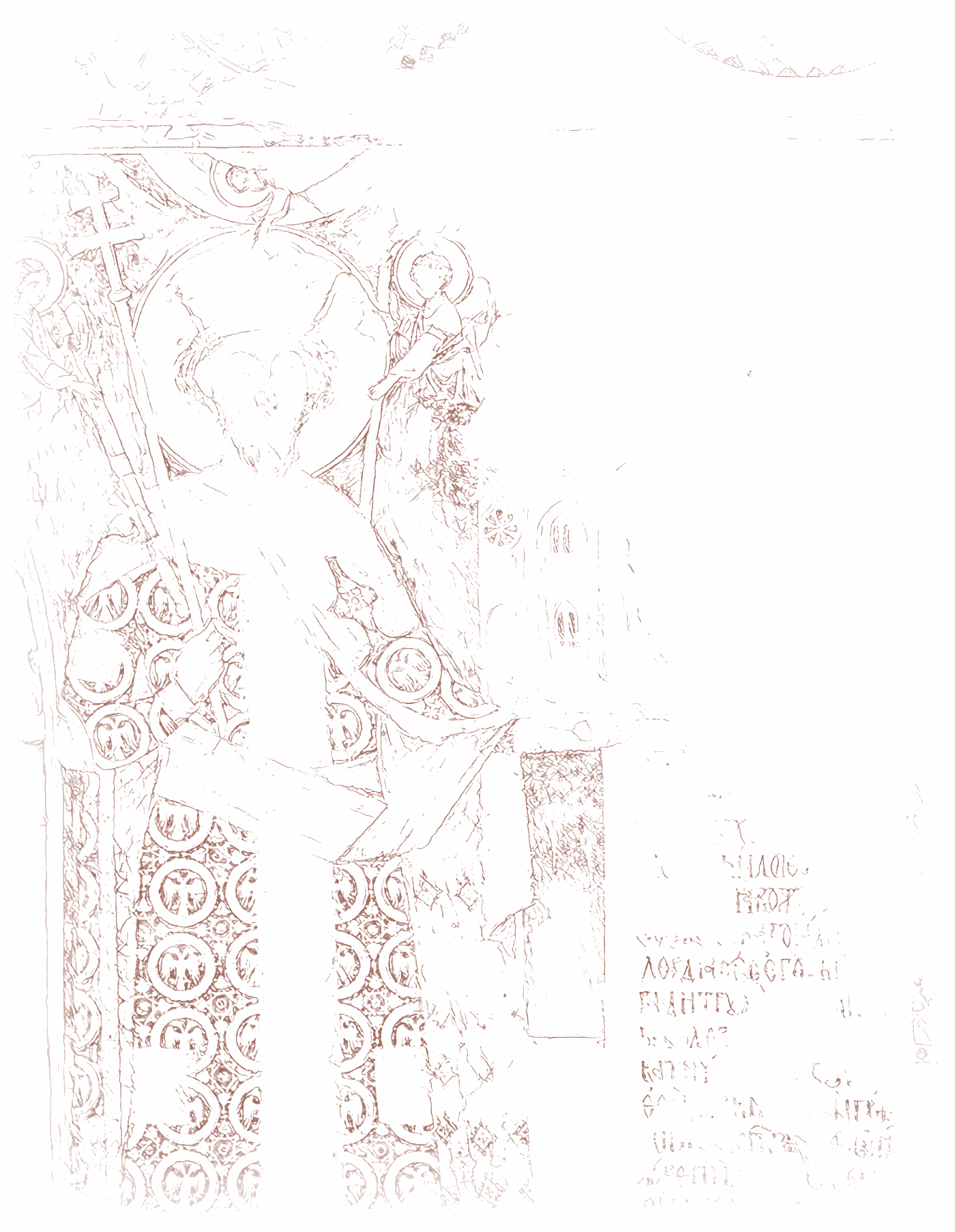

1402, at the petition of the Hilandar abbot Grigorije and of the brotherhood of the monastery's tower of Saint Basil - known as Hrusija - Stefan granted the monastery the village of Livoča on the banks of the Binačka Morava, as a donation to the Church of the Ascension of the Lord in that tower. This charter was signed jointly by "the right-believing lord Prince Stefan in Christ God and his brother lord Vuk"; it is written on parchment and is kept today in the archive of the Hilandar Monastery. Somewhat later, two Hilandar monks, the elder Jovan and the hieromonk Teodor, turned to Despot Stefan, complaining that the payment of monetary aid to the monastery from Novo Brdo had ceased. Recalling that the Novo Brdo revenue had been granted to the Hilandar Monastery by his father, Saint Prince Lazar, Despot Stefan decided that the payment of 100 litrae of silver a year (about 33 kilograms) should continue for the benefit of the Hilandar Monastery. The Despot gave this donation in honor of the Theotokos of Hilandar and in honor of the venerable saints Simeon and Sava, trusting in their prayers and blessing for his people. The charter of 1406, by which Stefan confirmed this donation, is written on parchment. The original of the charter is kept in the archive of the Hilandar Monastery on Mount Athos. This charter of Despot Stefan Lazarević is one of the most important documents of Serbian medieval history, both for its content and for the exceptional artistic value of its arenga - an introduction that is remarkably developed and poetically shaped. Unlike other medieval Serbian documents, the arenga of this charter is unusually broad and inspired, and behind it stands the personality of Despot Stefan himself. It is rich in allegories, biblical reminiscences and the Despot's deeply personal reflections on his own life, on the death of his parents, and also on the heavy burden of the Kosovo tragedy. For precisely this reason, many literary historians rank this arenga among the most important literary works of Despot Stefan, alongside his Homily on Love. Particularly striking is the use of biblical quotations, which are not mere ornaments but are woven into the text as lived and deeply pondered elements. Stefan uses them skillfully to express his spiritual state, at certain moments even hinting at his own dilemmas and fears, but also at the consolation he finds in faith. Above all, the tone of thanksgiving to God, who delivered the Despot in grave adversities and who will deliver and save him, reveals the author of the prologue of this charter as a deeply believing Christian, a responsible ruler who on the one hand cares for his people while, as a man of the Church, at the same time thinks of eternal truths. The prayerful invocation of the Most Holy Theotokos, and of the Hilandar founders Saint Simeon the Myrrh-streaming and Saint Sava, and then of Saint Prince Lazar, shows among other things the Despot's awareness of the unity of the earthly and heavenly Church, but also of the importance of caring for the spiritual and cultural heritage, pointing to how deeply rooted he was in the life of the Church. The charter to the Hilandar Monastery of 1406 is not merely a legal document - it is a testimony of its time, the personal testimony of a ruler who at a difficult moment found himself between a brilliant past and a gloomy future - yet still with eschatological hope, between what had passed and what was to come, in the historical but also in the