
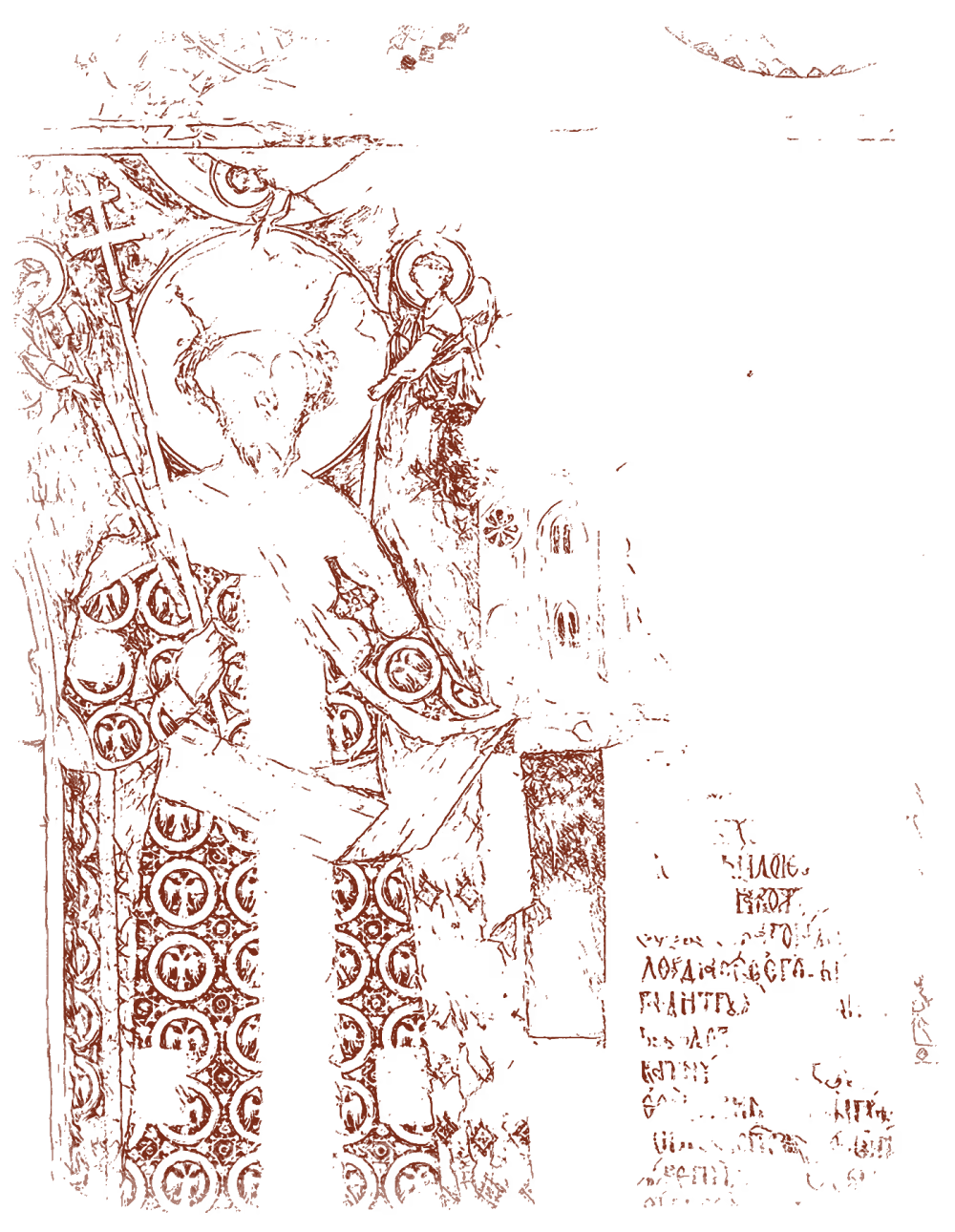
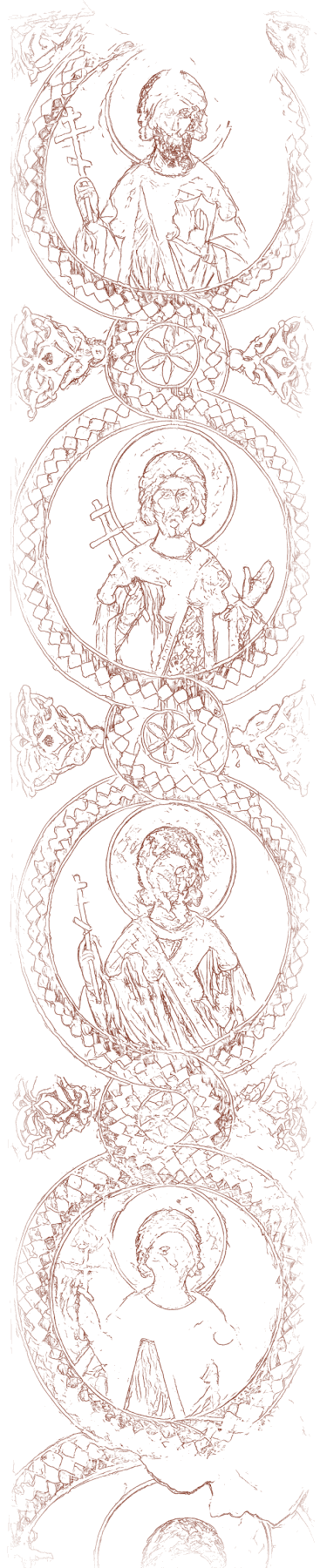
Despot Stefan Lazarević
The Charter of Despot Stefan to the Monasteries of Tismana and Vodița
Page 1 of 6
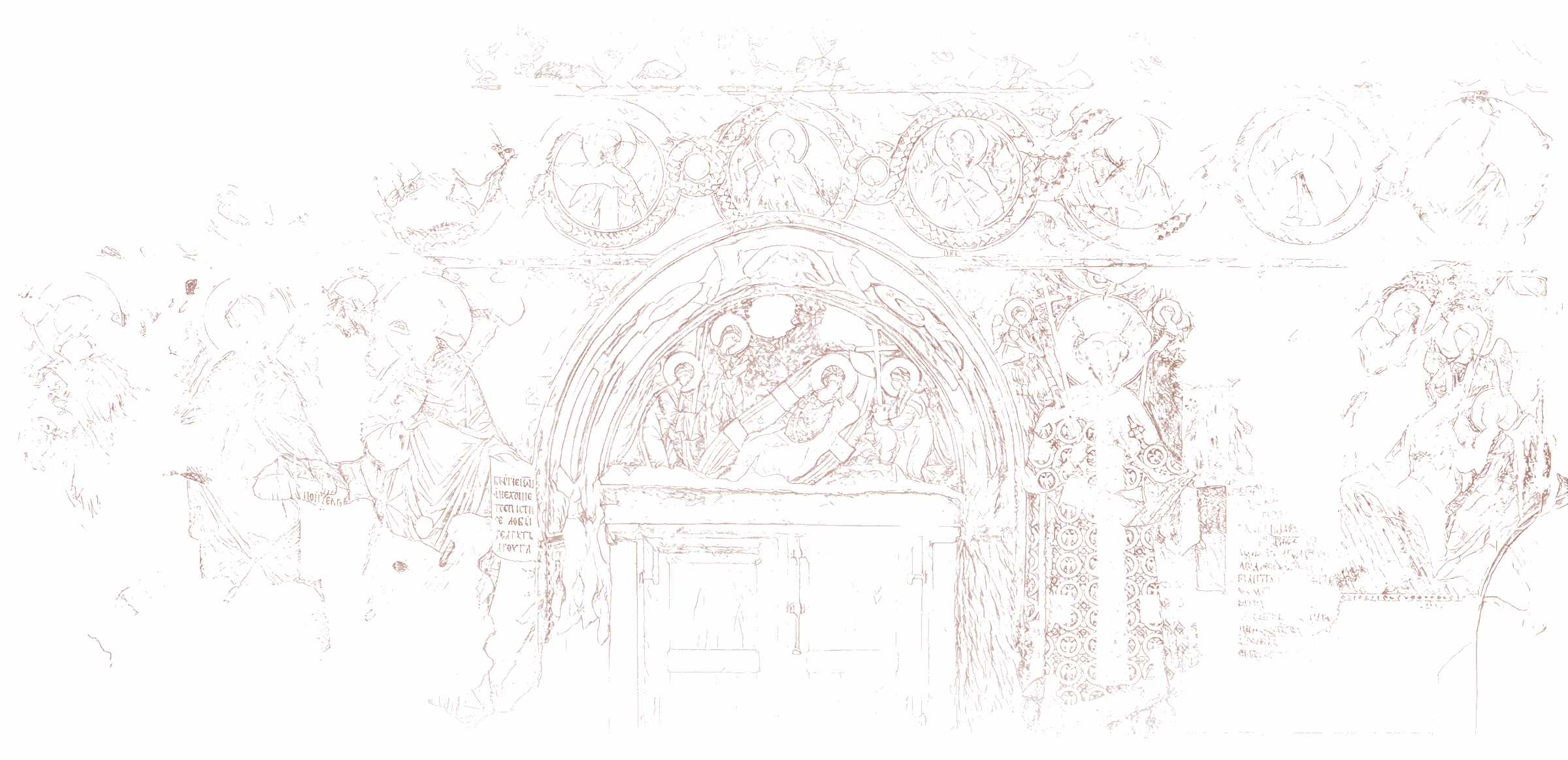

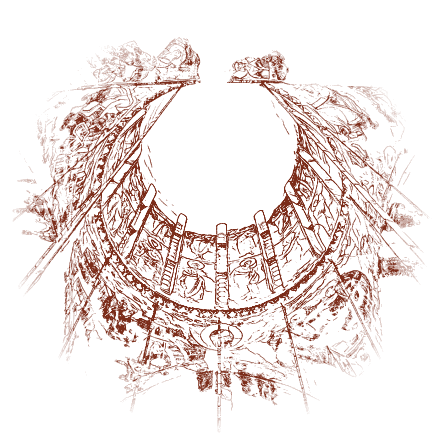
Tismana Monastery in Romania, which today belongs to the Archdiocese of Craiova of the Romanian Orthodox Church, is one of the more significant holy places in Wallachia. Tismana Monastery was founded with the help of the Serbian Prince Lazar by the monk Nikodim of Tismana (1310–1406), probably a native of Novo Brdo and, according to tradition, a kinsman of Lazar - which could explain the fact that in 1375 Prince Lazar appointed none other than the monk Nikodim as interpreter, that is, translator, of the delegation engaged in resolving the dispute between the Patriarchate of Peć and the Patriarchate of Constantinople.
The Serbian Prince Lazar provided financial support for the building of monasteries on the far side of the Danube, in Wallachia, and so the Serbian monk Nikodim, also known by the surname Grčić, with the Prince's contributions and help also founded Vodița Monastery, which is located on the Romanian side of the Danube, roughly opposite present-day Kladovo. In the literature one finds claims that Saint Nikodim of Tismana also founded within Tismana Monastery the first scribal (calligraphic) and monastic school in Wallachia; the monastery library, moreover, kept the oldest Wallachian manuscripts. It is certain that after the founding of the monasteries of Vodița and Tismana, and of the monasteries of Cozia and Neamț, which were founded by Nikodim's disciples, copying activity based on Serbian and Bulgarian exemplars developed in Wallachia, which would later create the conditions for the influences of the Resava School to spread into those regions.
It is interesting that it is precisely in Neamț Monastery that one of the books recorded as having belonged to Despot Stefan Lazarević has been preserved - it is the Commentary on the Gospel according to Mark by Blessed Theophylact of Ohrid [SSZN 242].
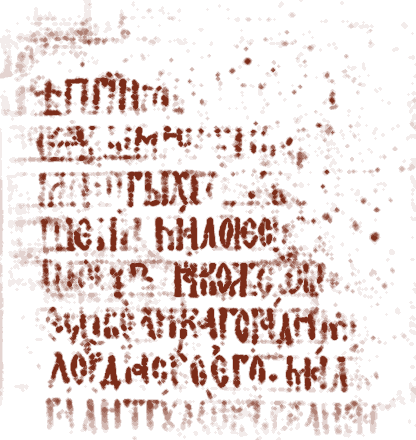
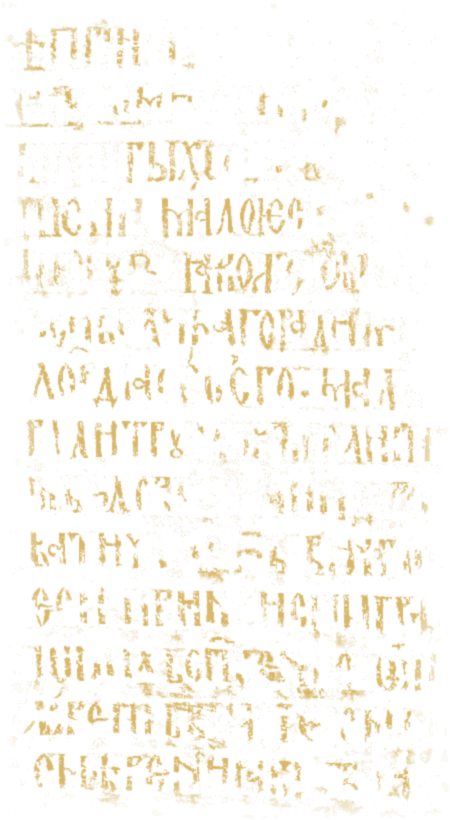
The monasteries of Tismana and Vodița maintained close ties with the Serbian ruler in the time of the Serbian Despotate as well. A charter of Despot Stefan has been preserved by which, in 1406, after the past tribulations caused by the Turkish conquests, he restored these monasteries, returned and confirmed their estates, repaired their ruined metochia and richly endowed them. This charter begins with words that extol the mercy of God, emphasizing that God does not abandon His chosen ones in tribulation; God enabled His people to pass from subjection to freedom, and Despot Stefan from a lower throne to a higher one.
In the charter the Despot notes that these monasteries were founded with the support of his father Prince Lazar, and that the Church of the Most Holy Theotokos at Tismana and the Church of Saint Anthony