
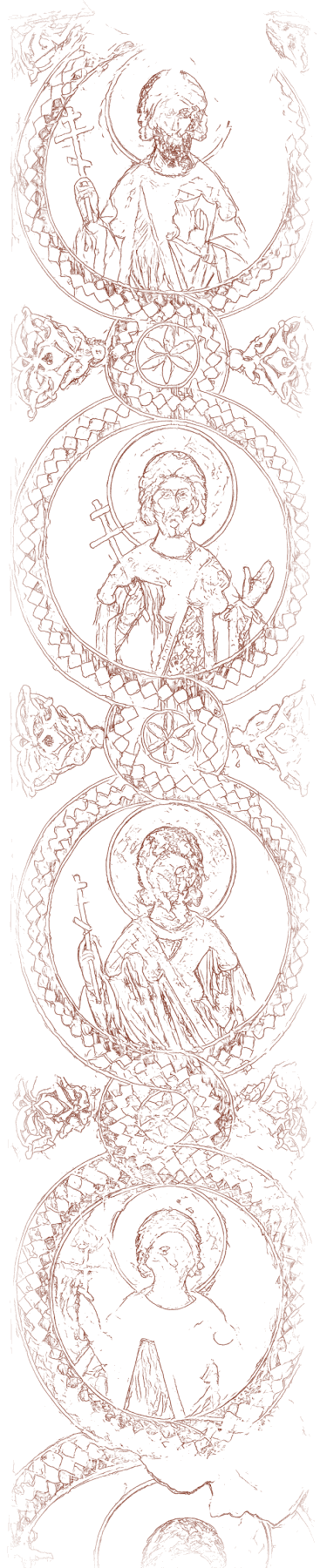
Despot Stefan Lazarević
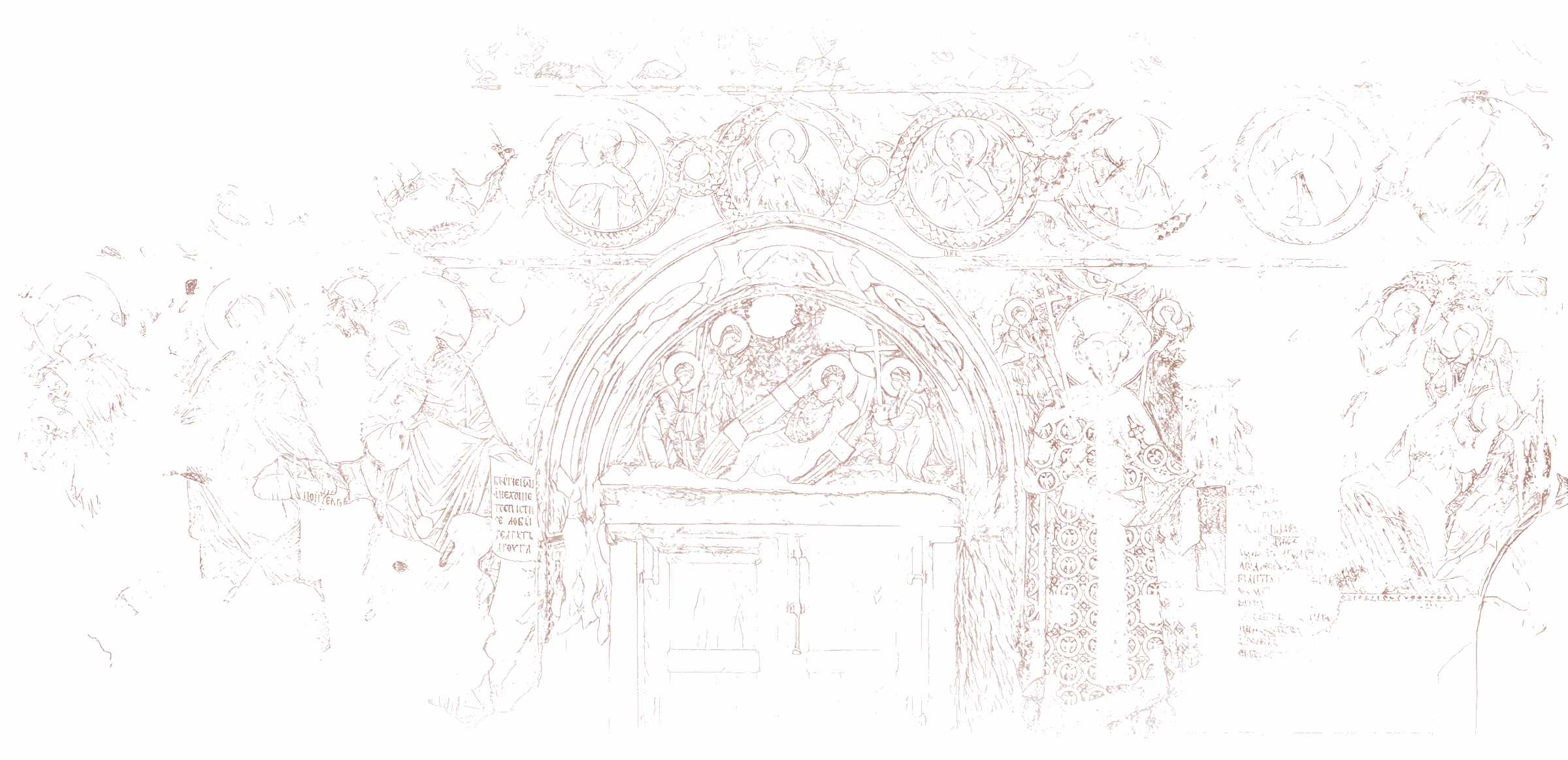
The Charter of Despot Stefan to Despotess Jevpraksija
Page 1 of 6
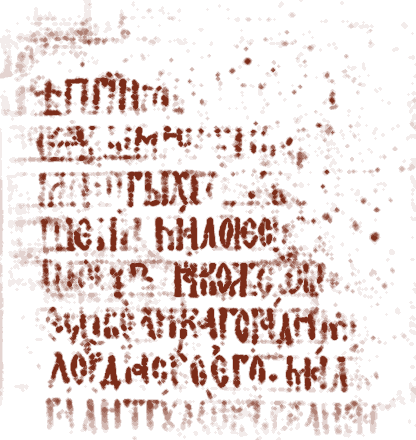
Despotess Jelena Mrnjavčević (c. 1349–1405), better known as the nun Jefimija, and later the great-schema nun Jevpraksija, was one of the most significant women of Serbian medieval culture. A founder of endowments and a donor, she is known as a poet and as a gifted embroiderer who gave Hilandar Monastery a curtain with verses embroidered in gold. She came from a distinguished noble family - her father, Vojihna (1298–1360), was a high-ranking nobleman in the time of Emperor Stefan Dušan (1308–1355), bore the title of caesar and governed the town of Drama.
In her marriage to Despot Jovan Uglješa Mrnjavčević (†1371), the brother of King Vukašin (1320–1371) and lord of the powerful town of Serres, Jelena bore a son, Uglješa, who died in early childhood, before reaching the age of four. He was buried at Hilandar Monastery, beside his grandfather Vojihna. Jelena wrote moving verses for her son, known under the title Lament for the Infant Uglješa, which is her first known composition. After the death of her husband in the Battle of the Maritsa in 1371, Jelena most likely moved from Serres to Thessaloniki, and then to the Serbian capital of Kruševac, where she lived under the protection of Prince Lazar Hrebeljanović. After the Battle of Kosovo in 1389, she withdrew from secular life, took monastic vows and received the name Jefimija. She dedicated to Prince Lazar the well-known Encomium of Prince Lazar. As early as 1398 she is mentioned as a nun in the inscription on the katapetasma - the altar curtain - of Hilandar Monastery, which confirms that by that time she was already in monastic orders. After the martyrdom of Prince Lazar, together with his wife, Princess Milica, she withdrew to Ljubostinja Monastery. In all likelihood she spent the rest of her life there, devoting herself to spirituality, art and the preservation of the Serbian cultural heritage. Together with the mother of Despot Stefan, the nun Jevgenija, she took part in social and cultural life. She carried out important diplomatic missions - one is mentioned in the Life of Despot Stefan; namely, as Constantine the Philosopher relates [ŽDS 30], the nuns Jevgenija (Princess Milica) and Jefimija (later Jevpraksija) obtained mercy for Prince Stefan from Sultan Bayezid. Together with Princess Jevgenija and her children - Prince Stefan and Vuk - the nun Jefimija took part in organizing and preparing the translation of the relics of Saint Petka from Bulgaria to Serbia, of which Grigorije Camblak (c. 1360–1419) writes in the celebrated work known under the title Homily on the Translation of the Relics of Saint Petka from Tarnovo to Vidin and Serbia.
